Is Brown Furniture Over?: The Antique Furniture Market Today
A Sign of the Times
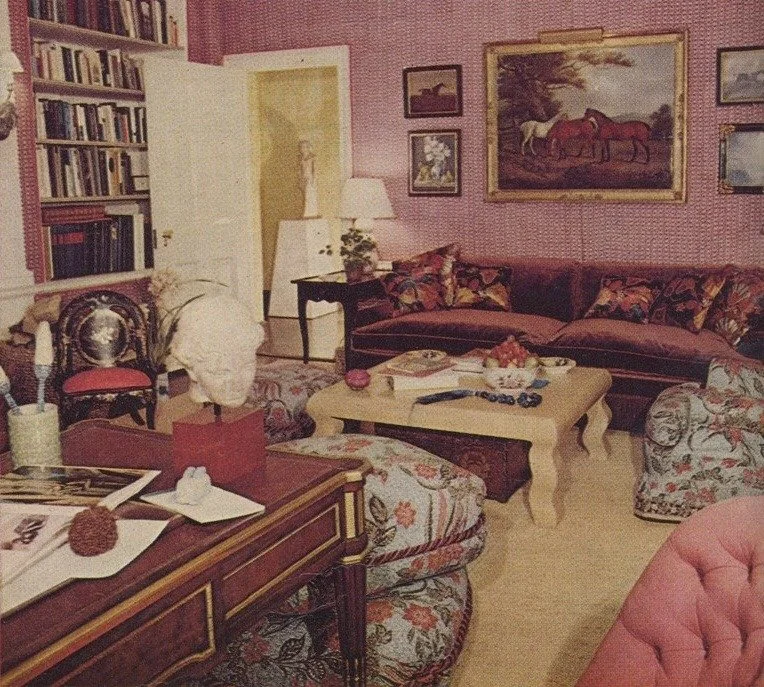
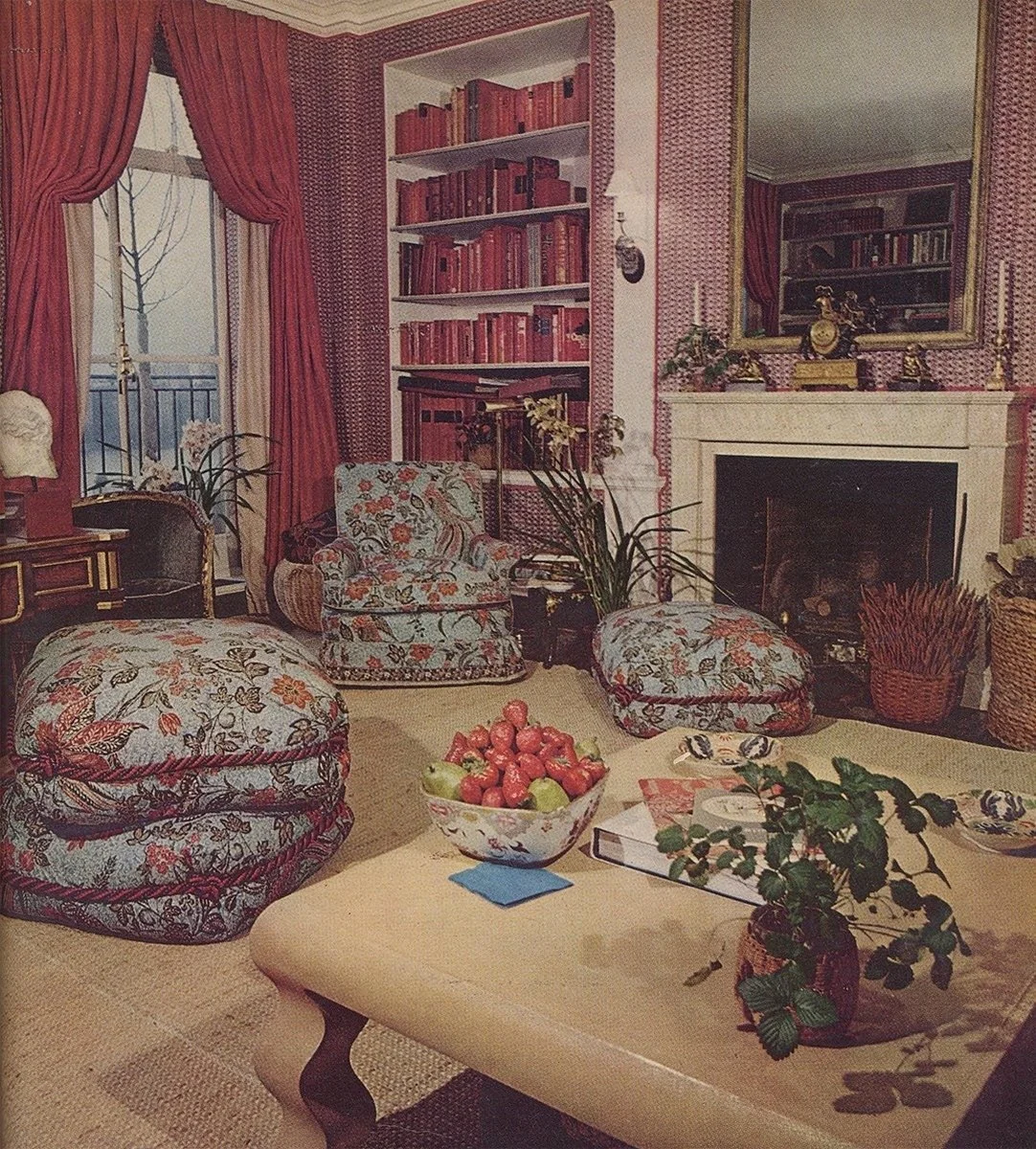
Think back in time to an older relative’s formal living room. There was probably a matching set of antique furniture, fine knick knacks scattered on tables and display cases, and still life paintings of fruit on the walls (and you couldn’t touch a thing in the room). Before the turn of the century, good taste espoused those things as well as fine china and silver for entertaining and crystal glassware for cocktail parties. As our ideas of home and entertaining become more casual, there is less of a need in our lives for furniture that can’t be sat upon and bric-a-brac that can’t be touched.
For many years the traditional antique and vintage furnishings market has been in decline. The market has not regained the kind of growth seen in its heyday of the 1980s and 1990s, and likely will never see that rise again. There are many reasons for this drop off but chief among them is the fashion for large, formal pieces of matching furniture is out of style. The older clientele that valued brown furniture either have the pieces they want or they are downsizing. But the appeal of brown furniture isn’t entirely lost nor is the knowledge that older pieces offer better quality and uniqueness for the money. New buyers may not be filling their homes with matched sets of furniture, but they do understand the economy of purchasing a quality piece that will last a lifetime.
By the Numbers
The secondhand homeware market is estimated to be valued at $31.5 billion in 2025 and is expected to see a compounding annual growth rate of 5.5% year-over-year. Secondhand furniture is projected to hold the most total market revenue in 2025 at 41.3% due to the strong demand for well-kept, brand name, and vintage pieces. According to an article on Ronati “The market for second-hand luxury goods is projected to nearly double, growing from $44.7 billion in 2023 to $98.3 billion by 2031, an average annual growth rate of about 9.5%. This surge highlights the rising value placed on authenticated, rare, and heritage-rich items, positioning them as both culturally resonant and financially prudent acquisitions.”
The new generations may not be frequenting antique shops to the same degree their parents were but they feel comfortable purchasing pieces off Instagram or online marketplaces like Etsy, Chairish, and Artsy, each of which has seen an increase in traffic from younger buyers. Antique fairs are attracting more youth by partnering with influencers and are seeing their attendance numbers go up. Auction houses as well are hosting sales and socials geared towards Millennials and Gen Z.
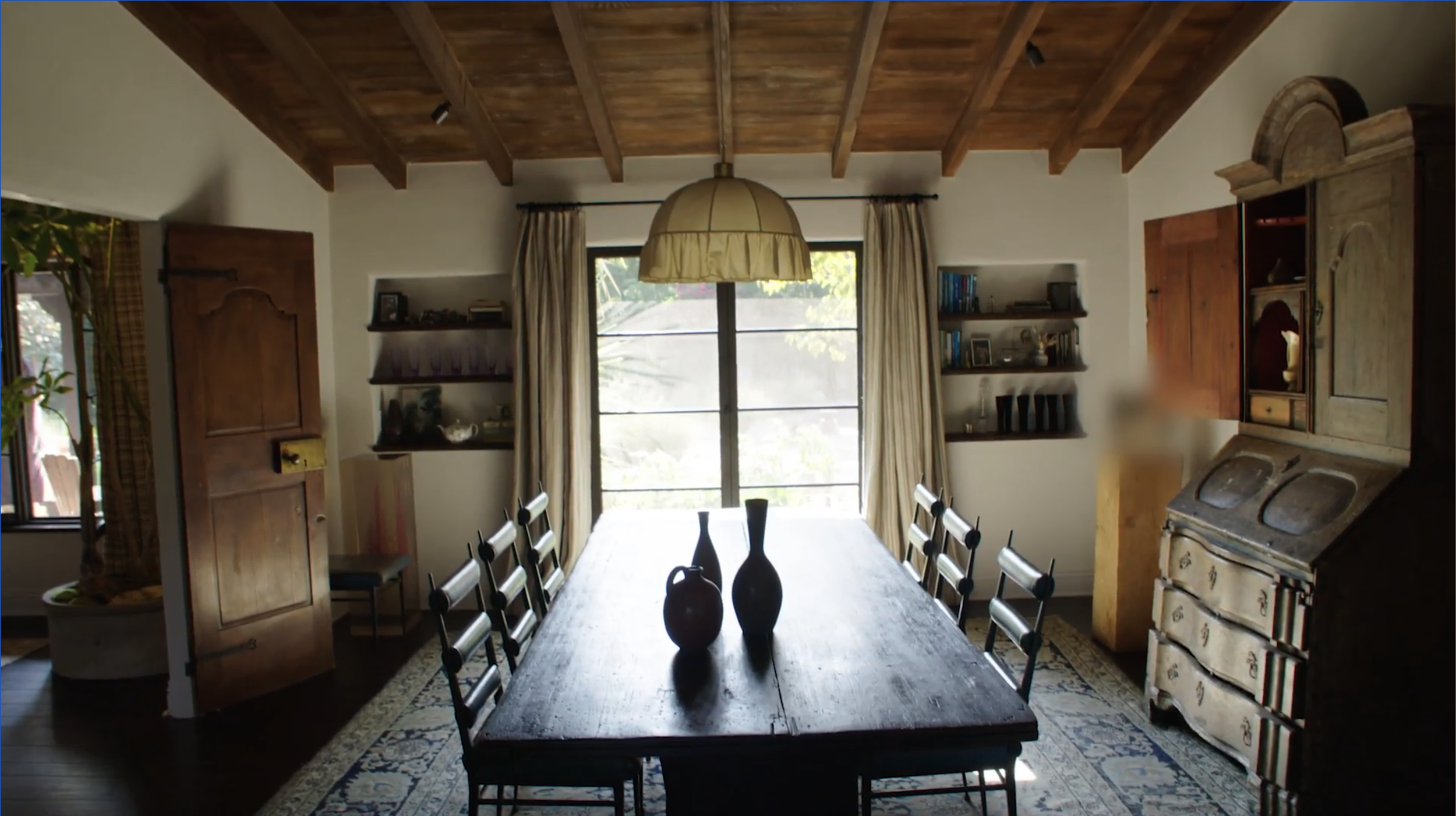
Kirsten Dunst’s dining room with an antique Swedish secretaire
The Future is Sustainable
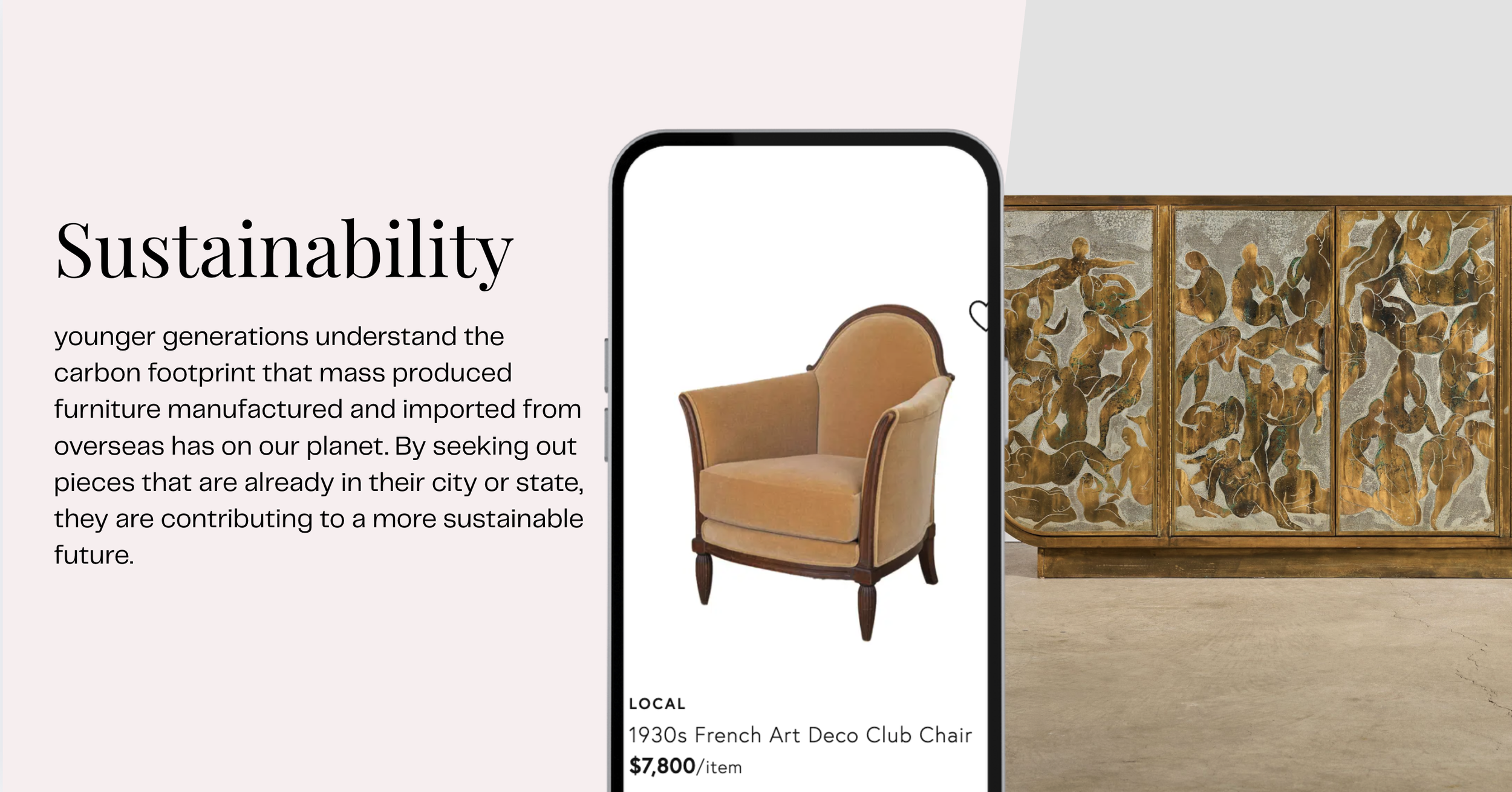
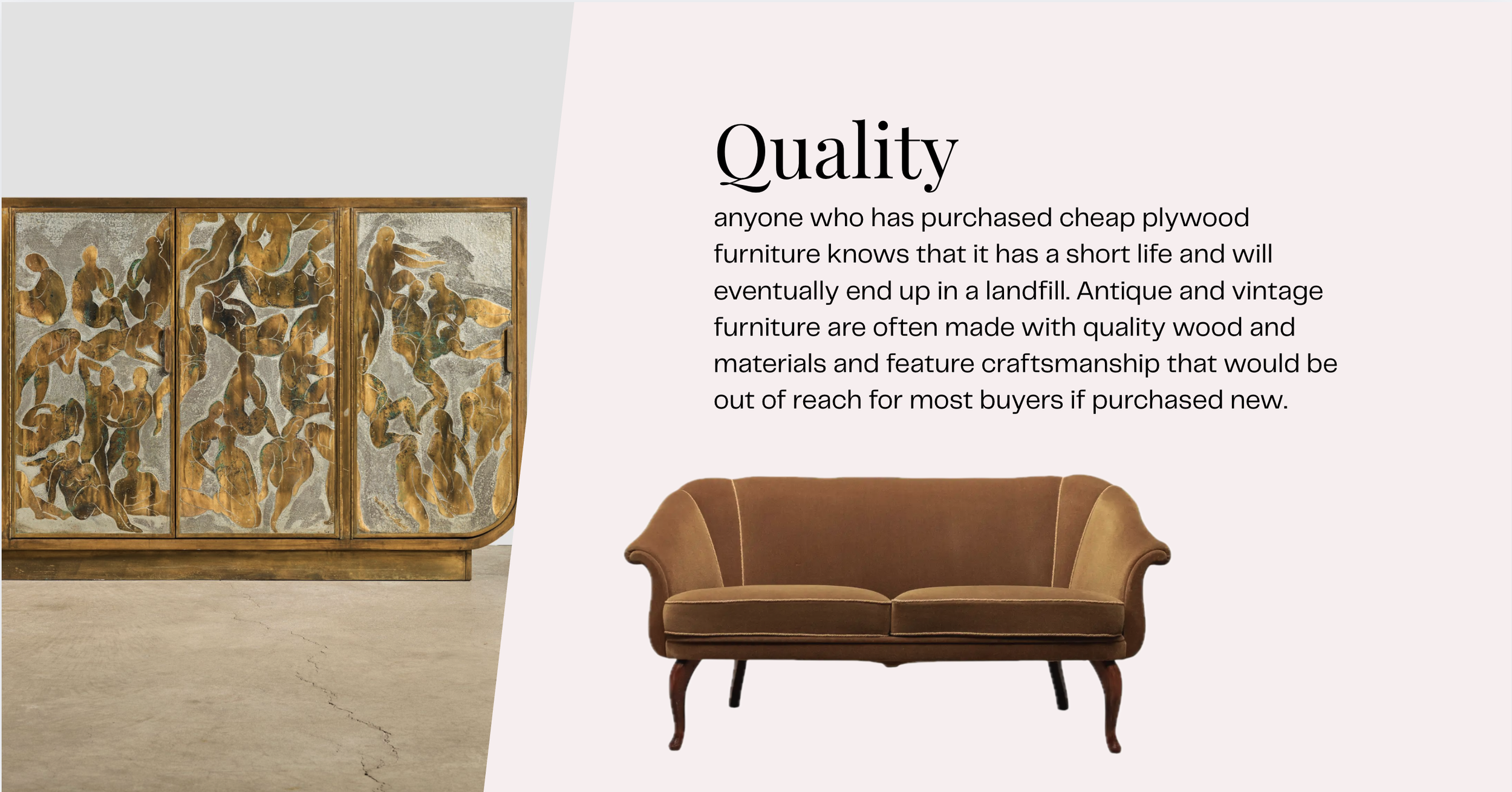
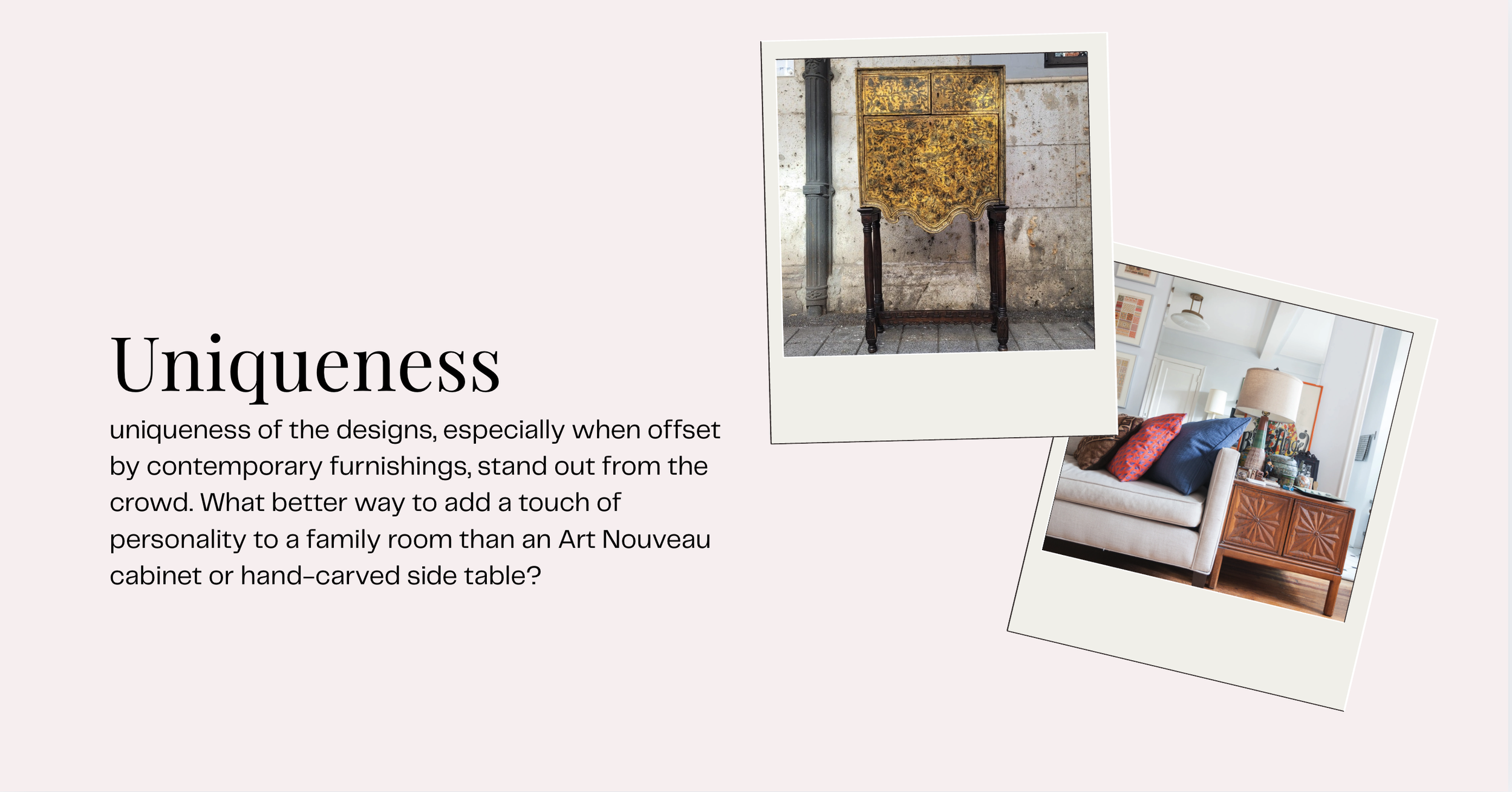
Millennial and Gen Z buyers are now in their 20s to 40s and are settling into more permanent homes. Sustainability, quality, and uniqueness are the three most important considerations for this new generation of antique and vintage furniture buyers. Lacking the disposable income and living in smaller spaces as compared to previous generations, Millennial and Gen Z buyers instead favor locally-sourced, quality pieces on a smaller scale and the mixing of a few antique and vintage pieces with modern furnishings. A backlash to conspicuous overconsumption and a desire for unique pieces also motivates current collectors.
Have something similar you would like us to look at? Be sure to view the categories we handle and contact us when you are ready.