A Craftsman Home Companion
“Have nothing in your house that you do not know to be useful, or believe to be beautiful.”
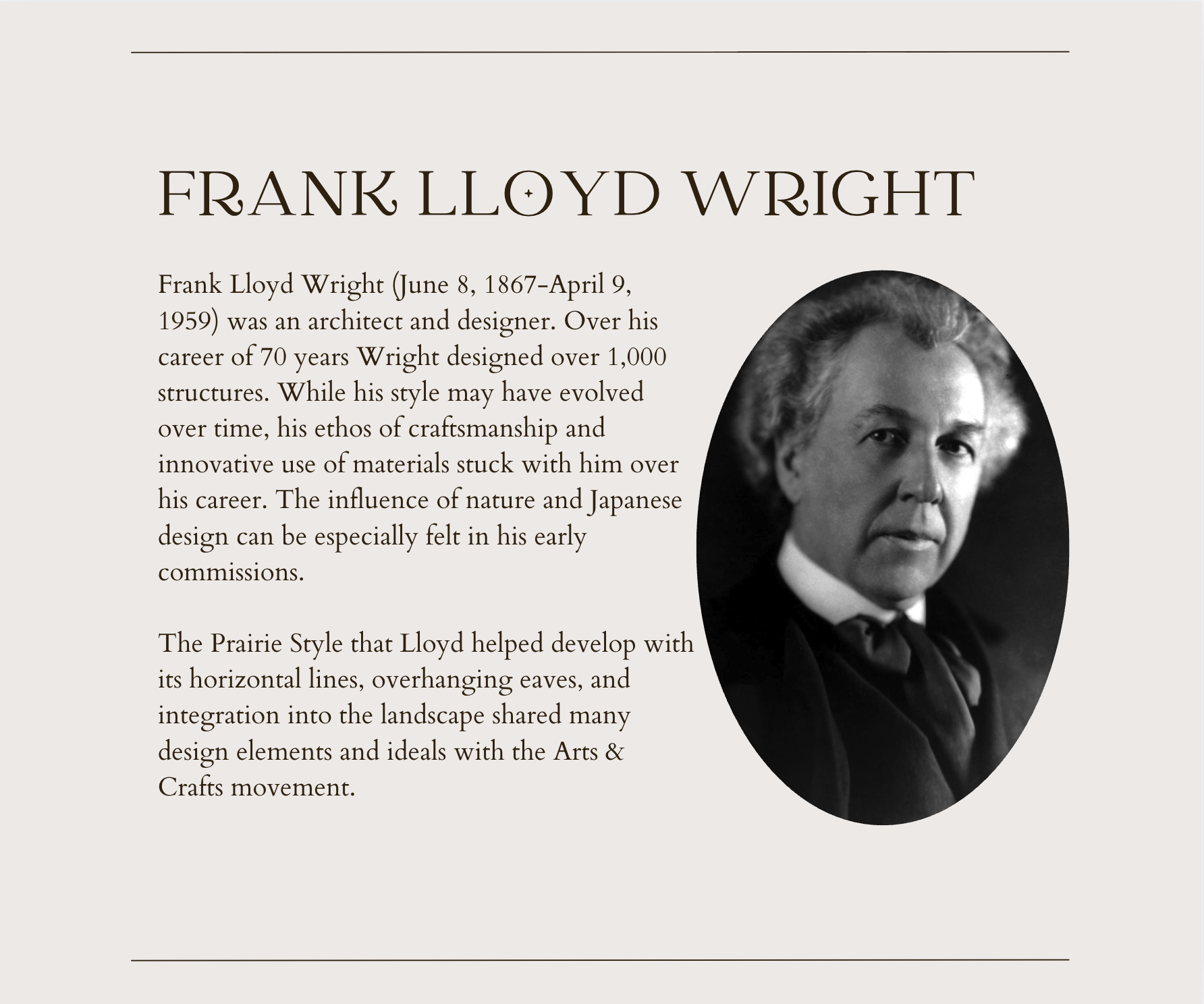
The Arts & Crafts movement in Southern California began in earnest in the late 19th and early 20th century. The movement originated in the United Kingdom as a reaction to the industrialization of the furniture and decorative art industries which dwindled the hand-craftsmanship of the furniture making process in favor of mass production. Practitioners of the movement wanted to get back to the human element of designing and making. Arts & Crafts designs often have minimal ornament and organic features as compared to their Victorian counterparts. British artists such as William Morris, Charles Mackintosh, and firms such as Liberty & Co. were the best-known evangelists for the movement. By the latter half of the 19th century, Arts & Crafts reached American shores with many domestic artisans taking up the mantel. From architecture to silver, furniture to metalwork, the movement gained steam here for the same reasons it did across the pond.
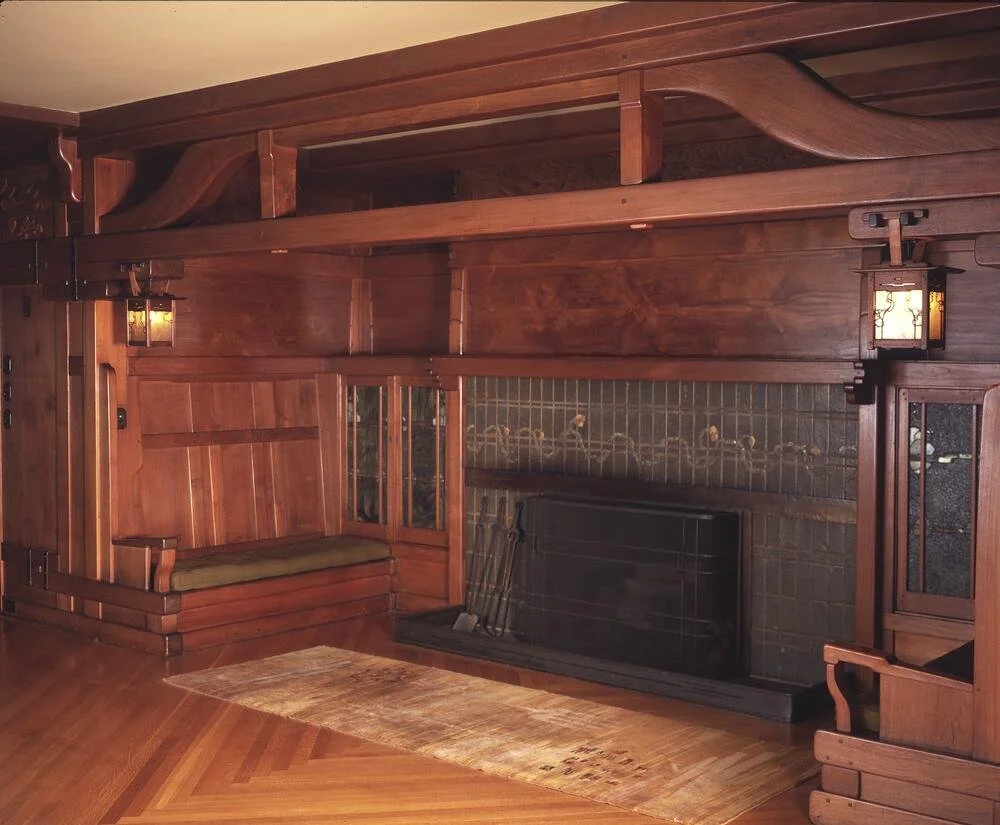
Interior of the Gamble House designed by Greene & Greene, 1908
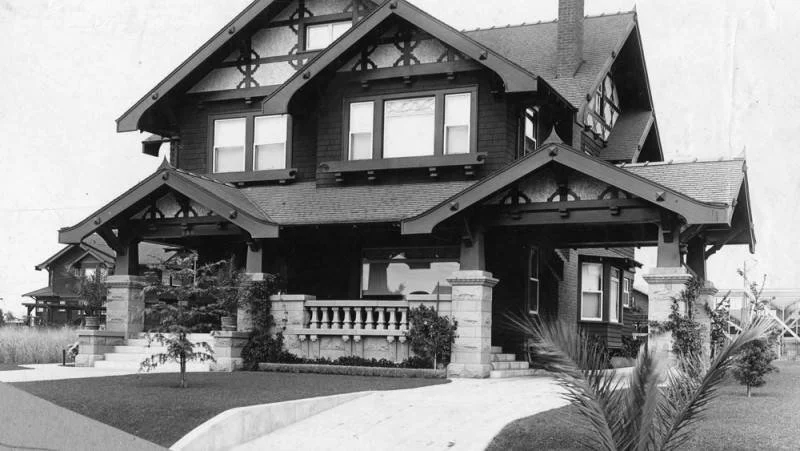
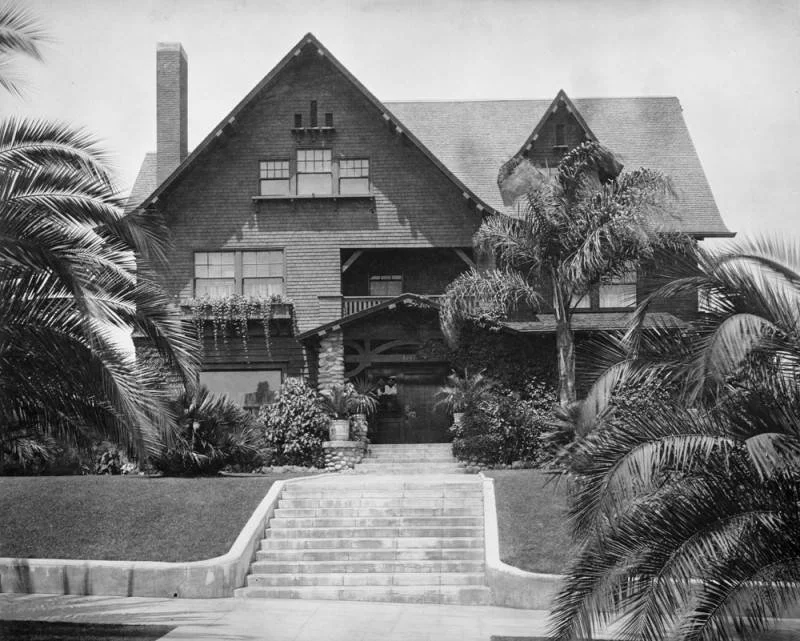
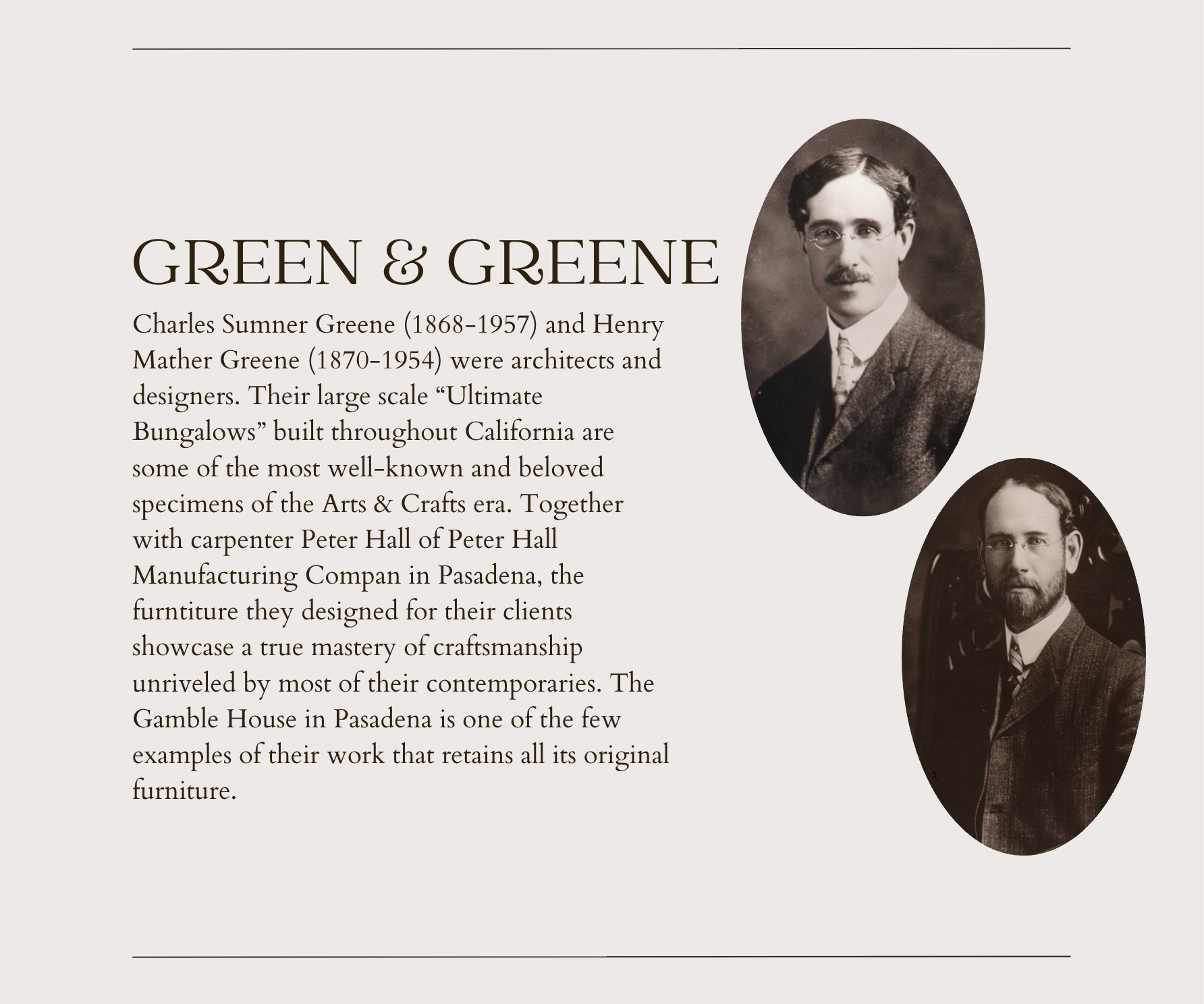
Craftsman houses are notable for their informal, asymmetrical approach to home design. In a time when architecture was dominated by revival styles and gingerbread Victorian homes, Craftsman houses were something different. The deep porches, exposed rafters, and gabled roofs were just some of the features that typified the Craftsman bungalow. There are two types of Craftsman homes you will find in Southern California: custom “Ultimate Bungalows” designed within the ethos of the Craftsman movement and pre-cut homes that could be ordered from a catalog. Both met the needs of the new homeowners of Southern California, which saw an explosion of population in the early 20th century and was in dire need to housing to support it.
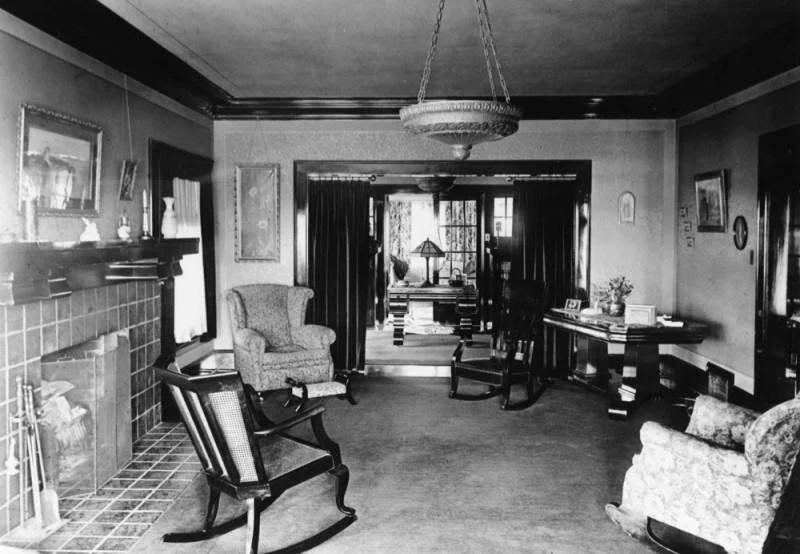
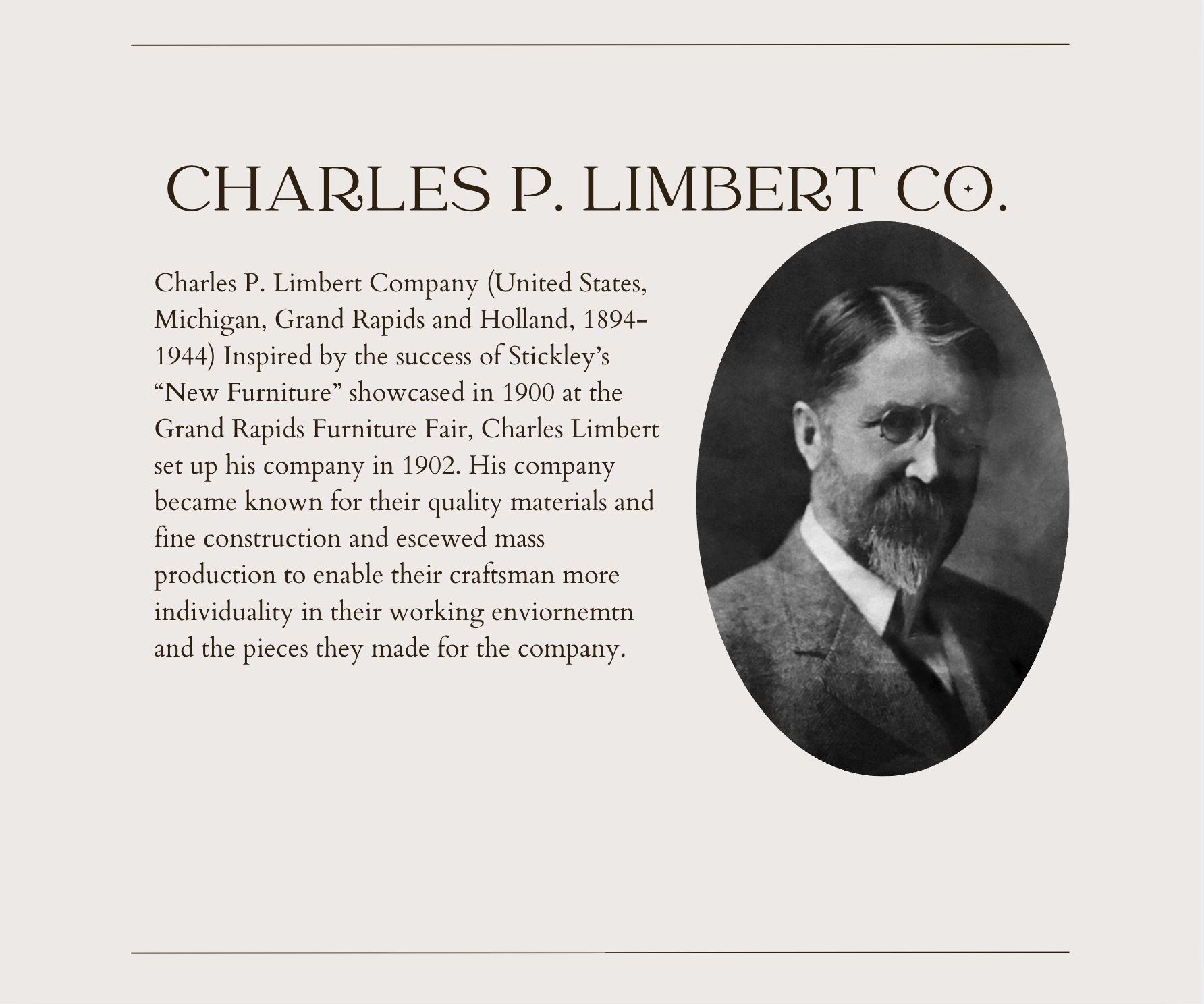
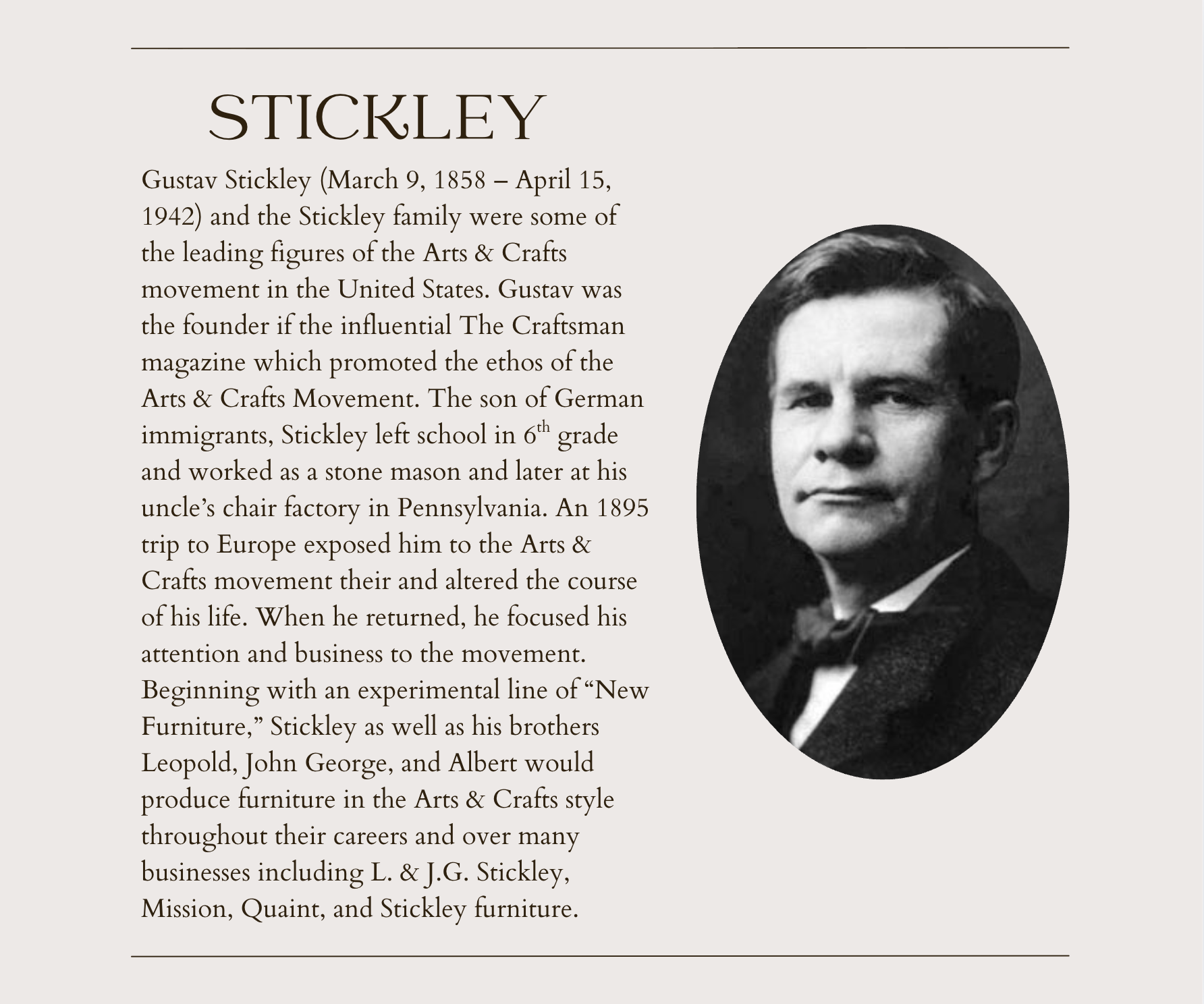
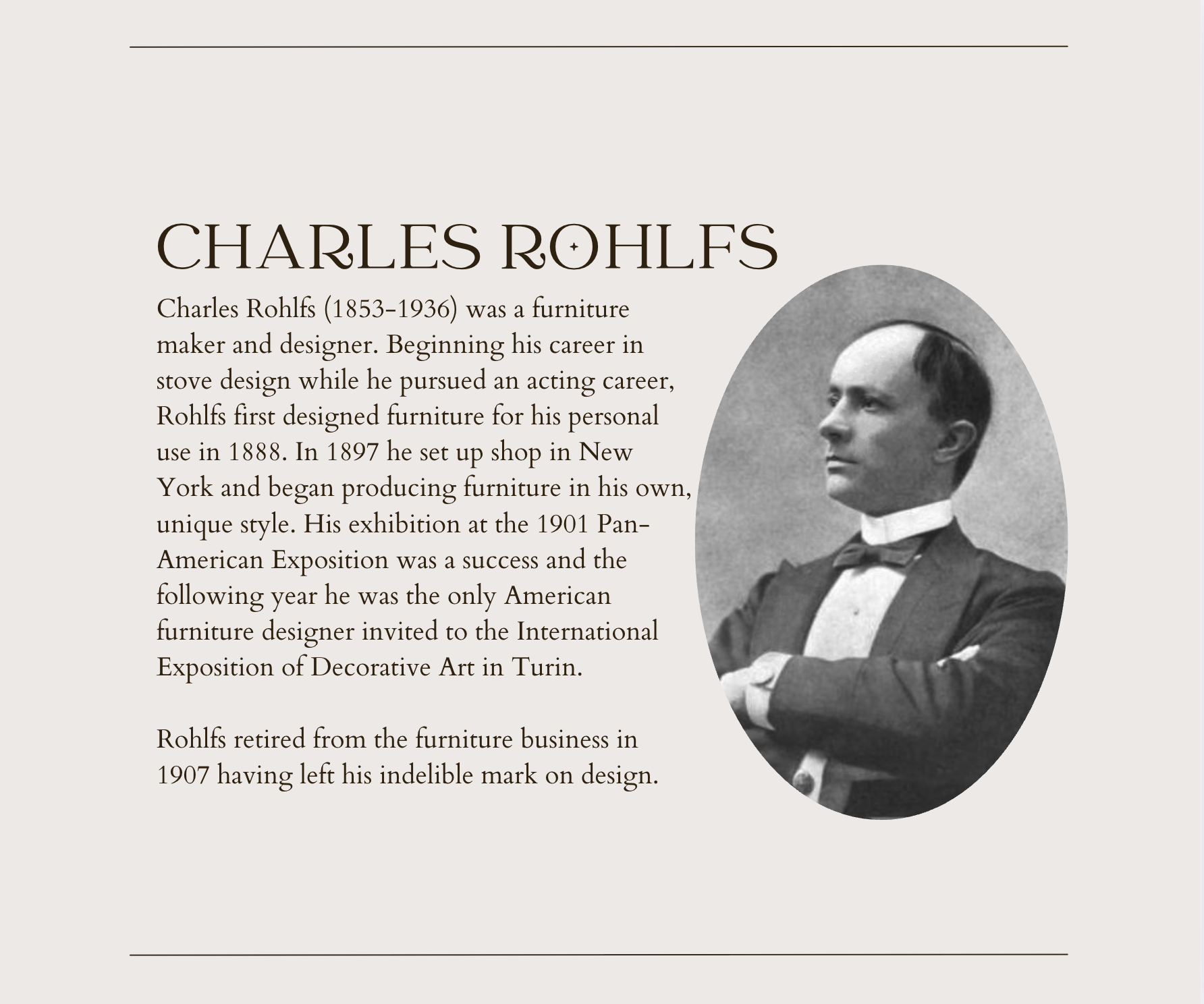
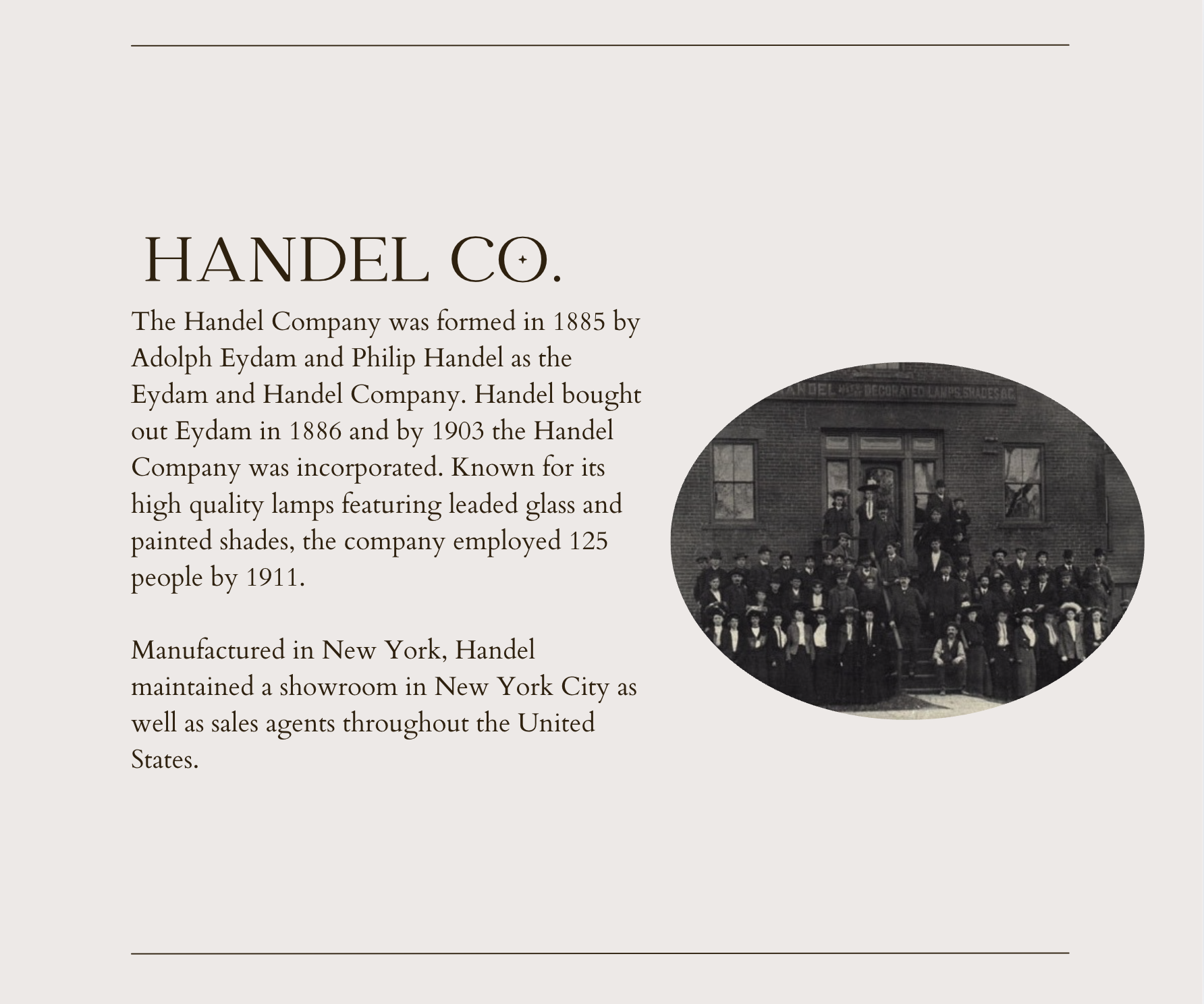
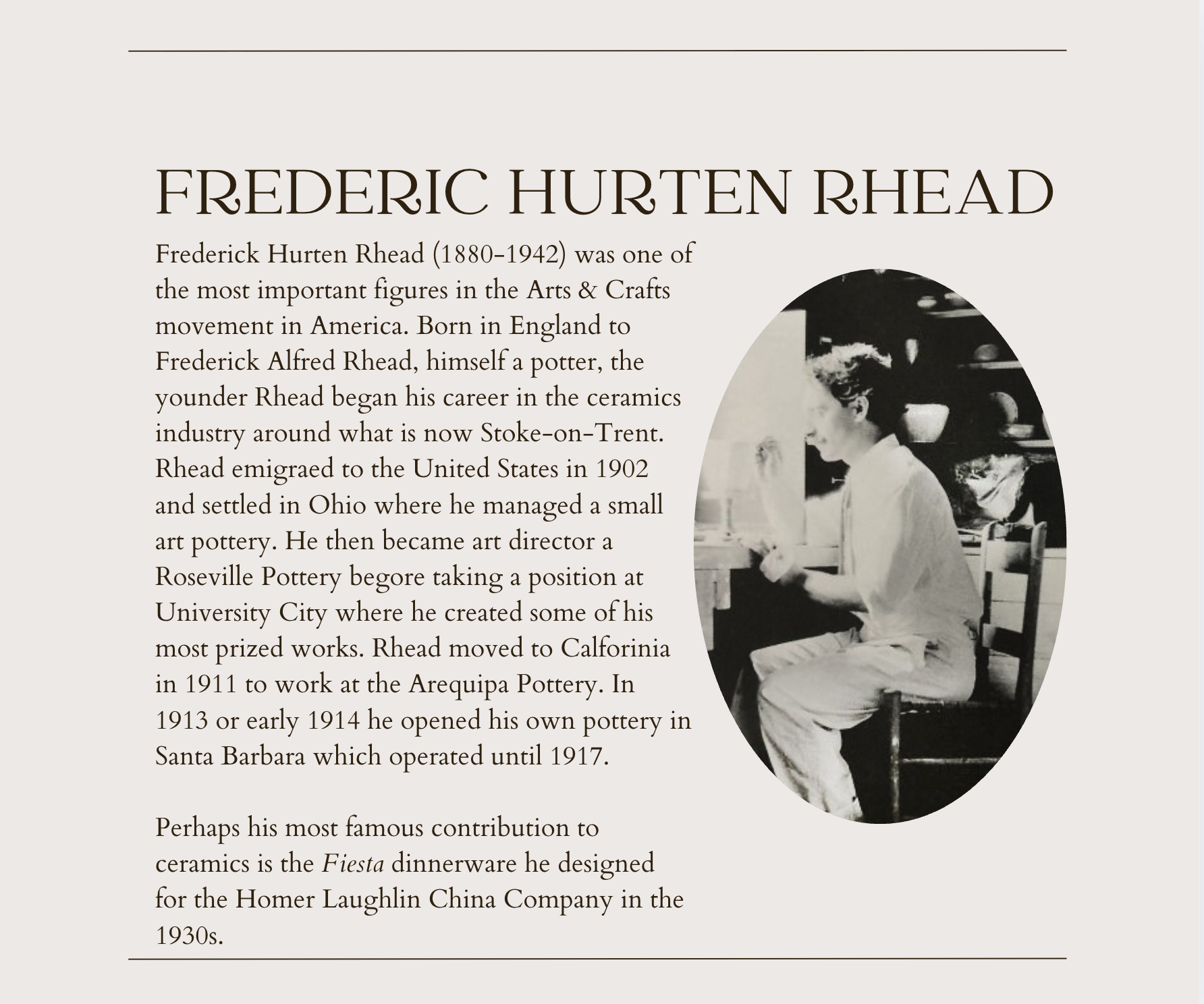
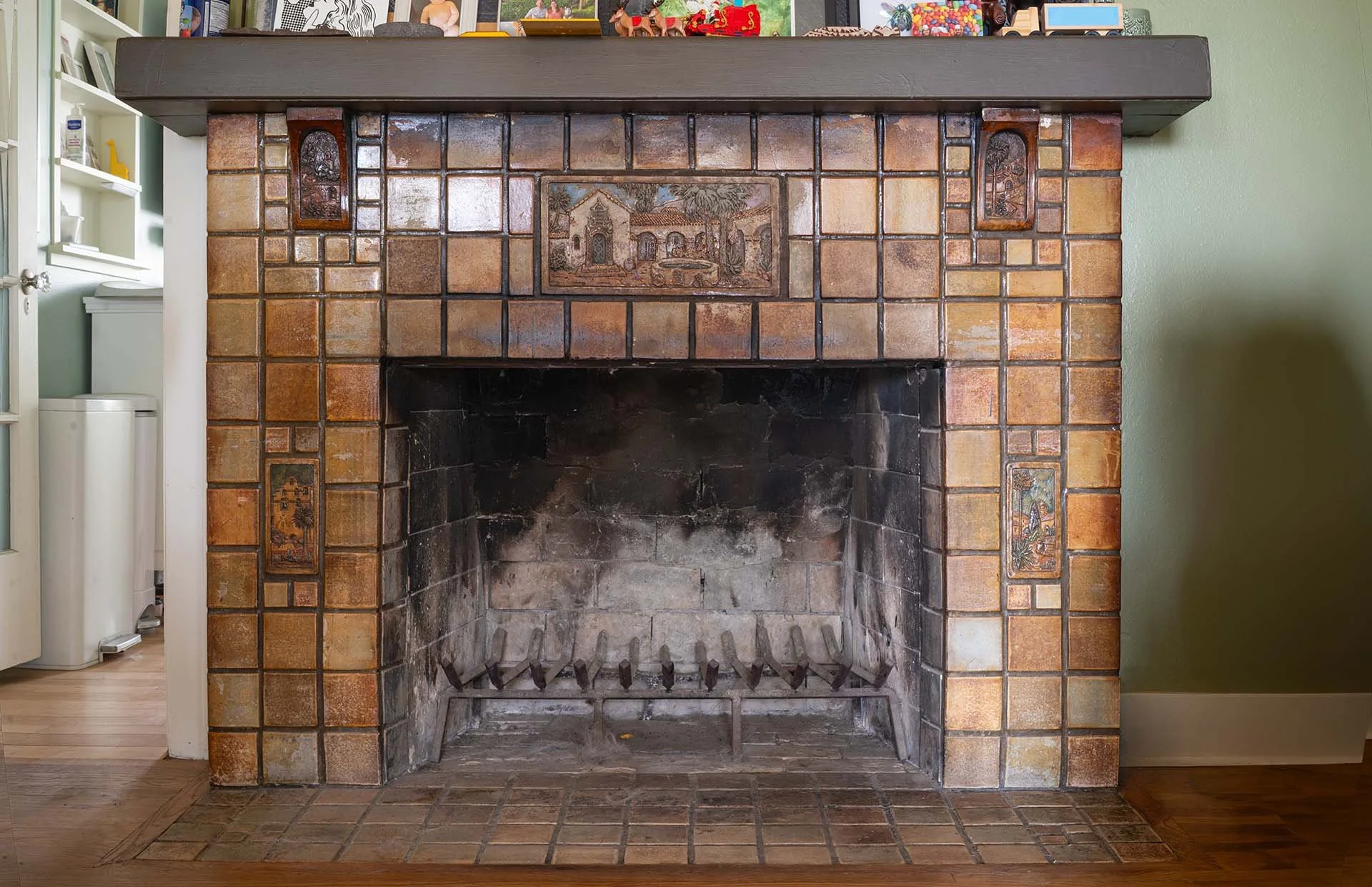
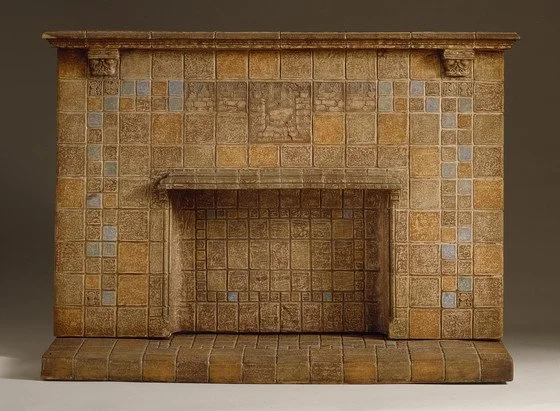
Residents of these new homes needed pieces to put in them that would compliment the Craftsman ethos and look. Many companies were founded with a mission to advance the Arts & Crafts movement with their pieces. Furniture shops, silversmiths, metalworkers, ceramicists, and more popped up throughout the country. The selection below, while not at all comprehensive, gives a hint at the decorative art one might find in a Southern California Craftsman.
Have something similar you would like us to look at? Be sure to view the categories we handle and contact us when you are ready.
Figures
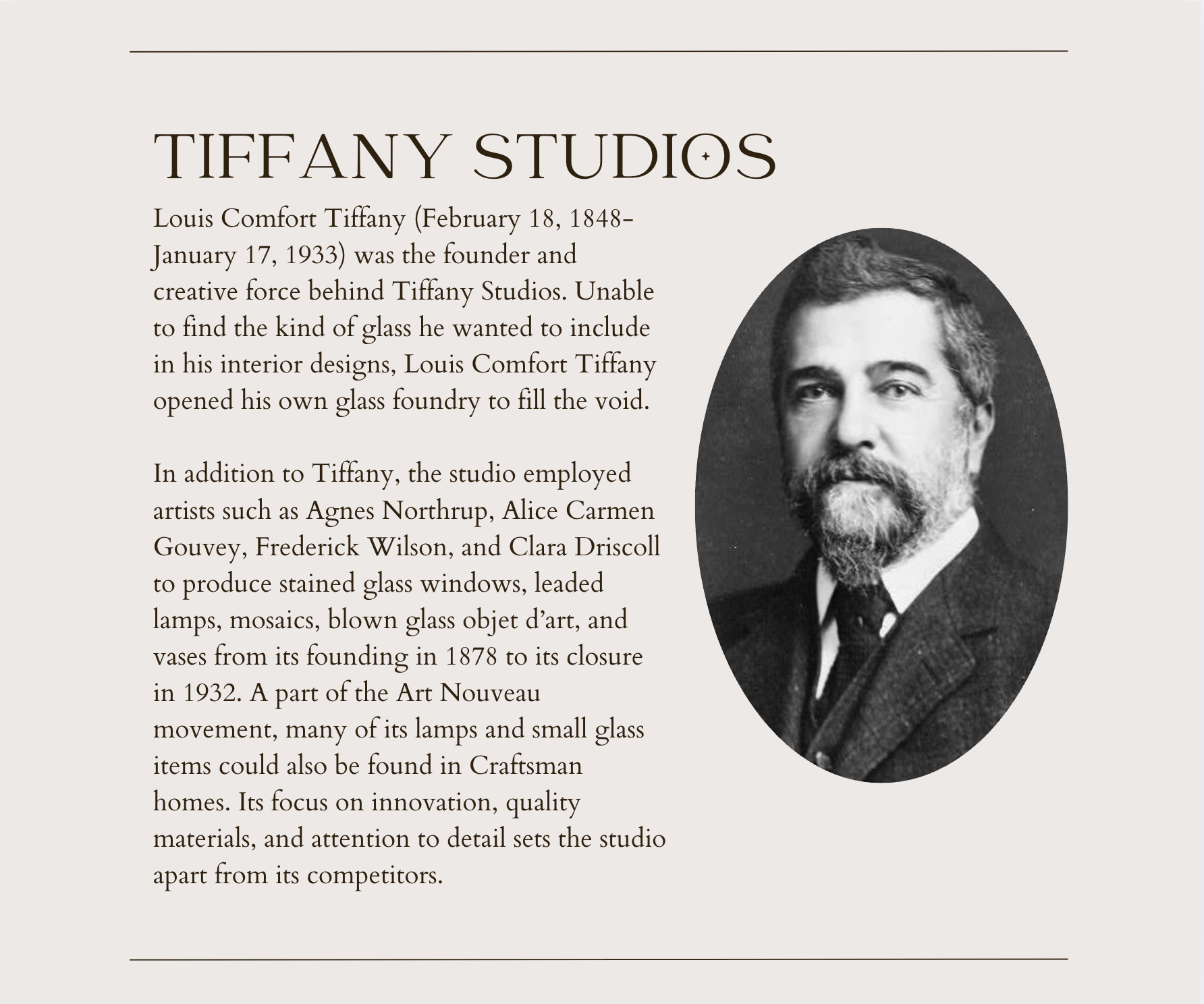
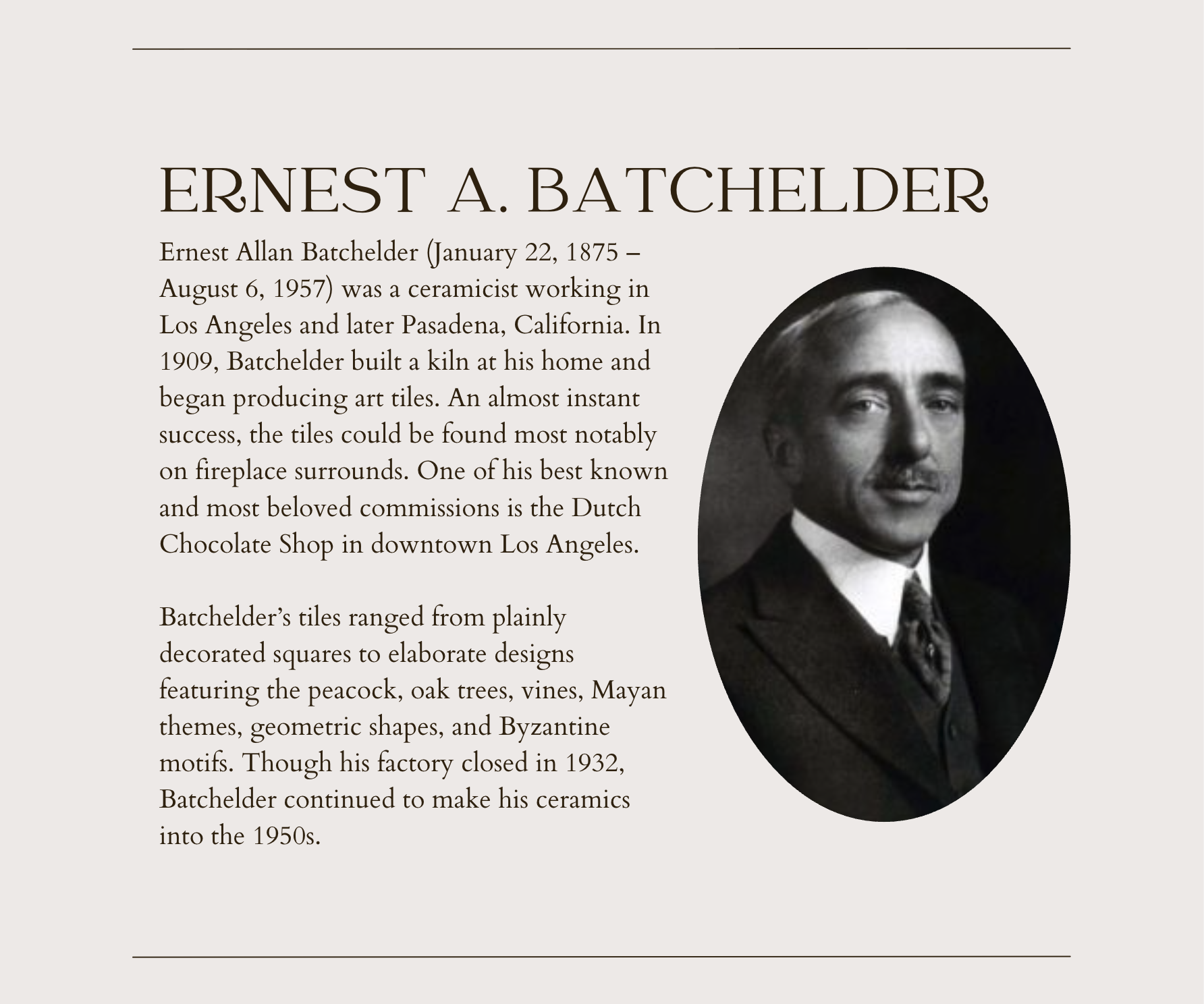
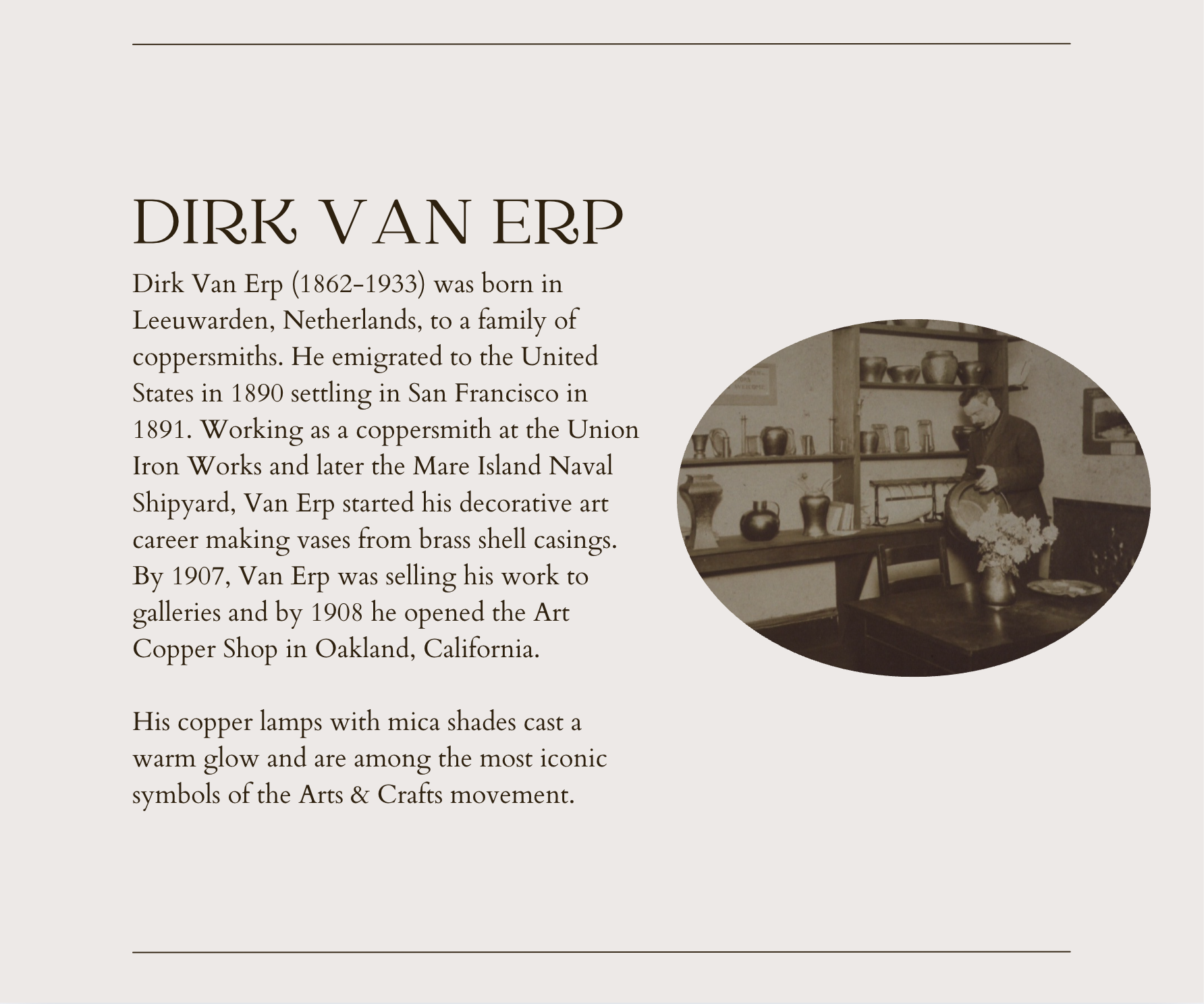
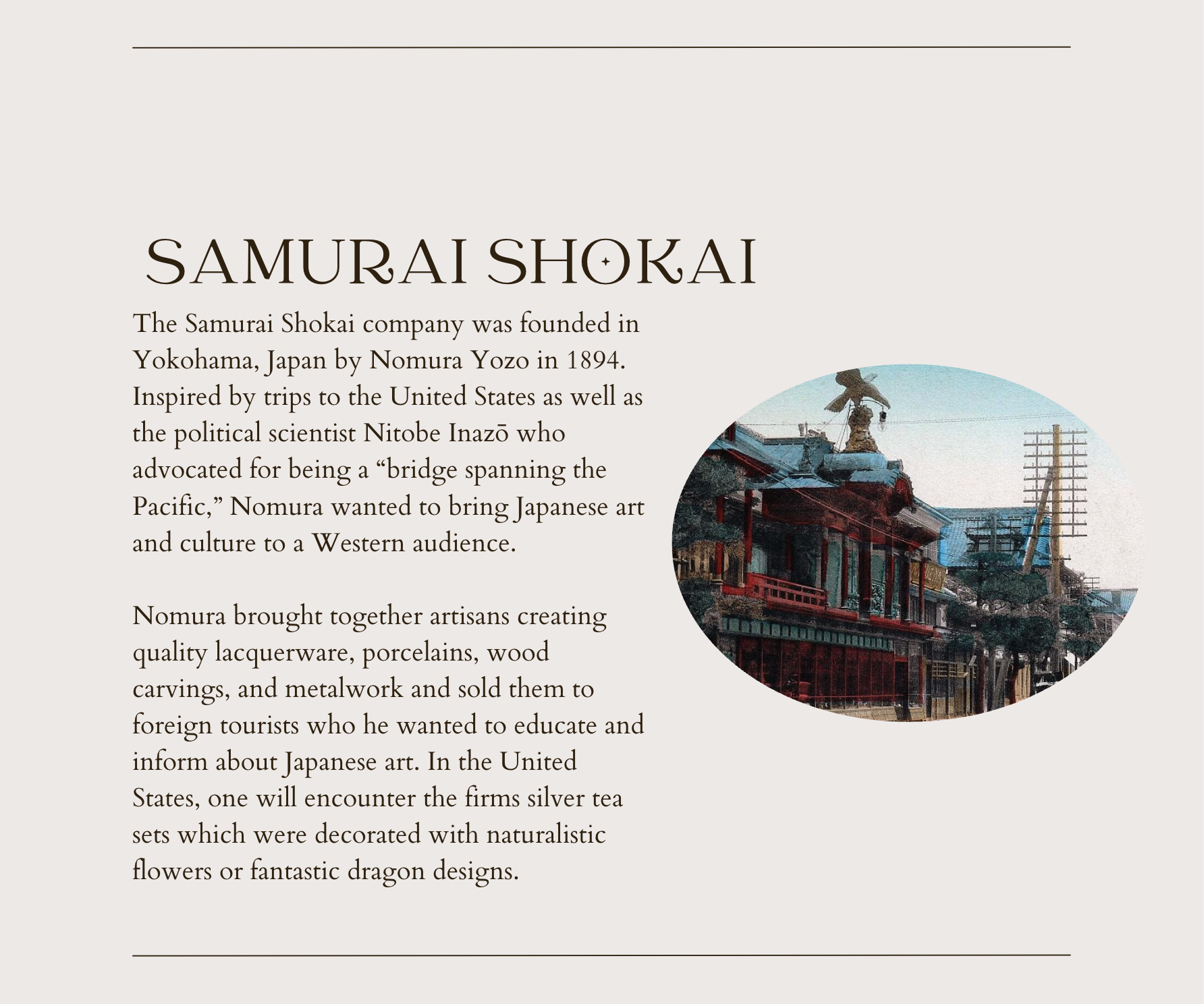
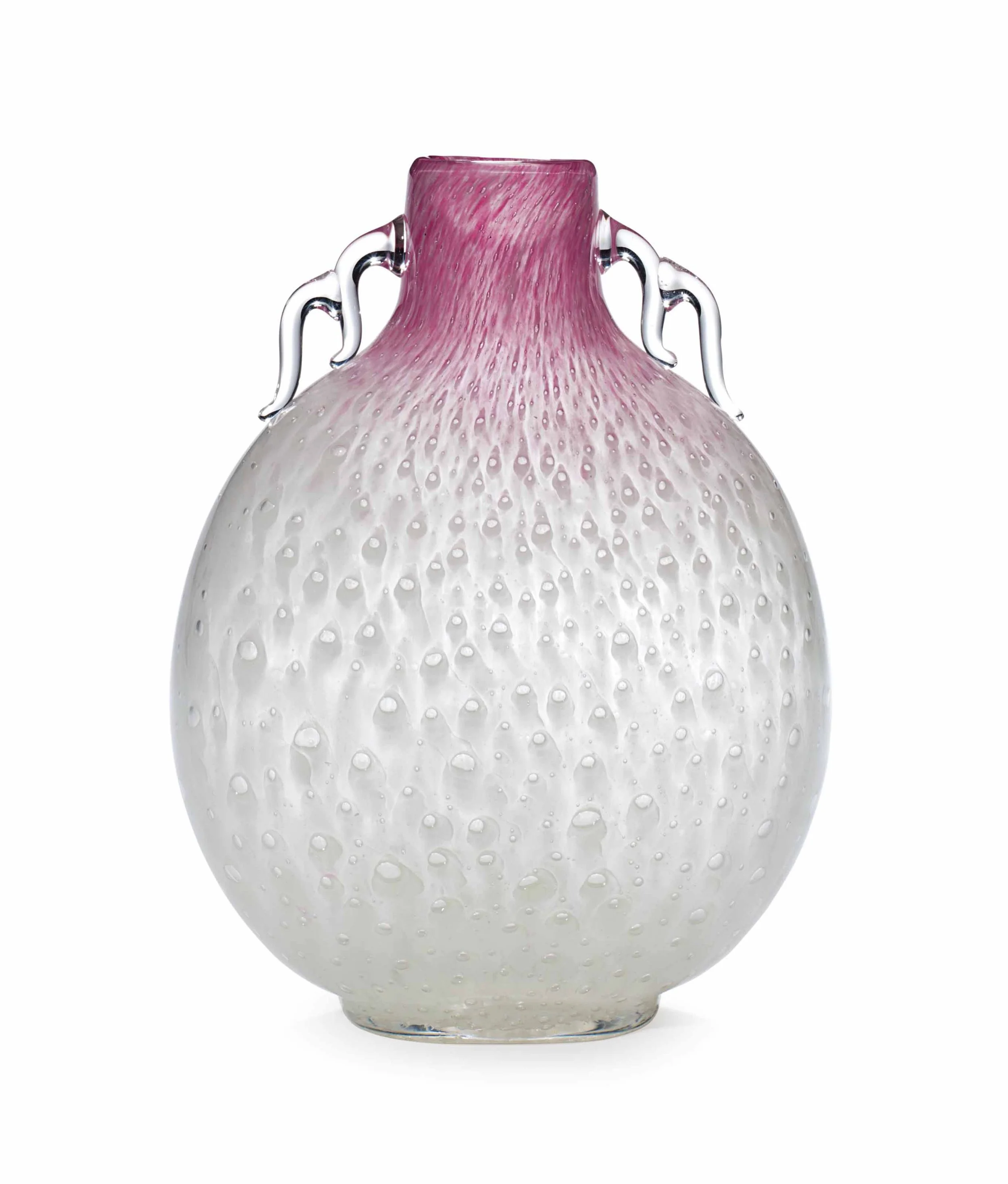
Glass
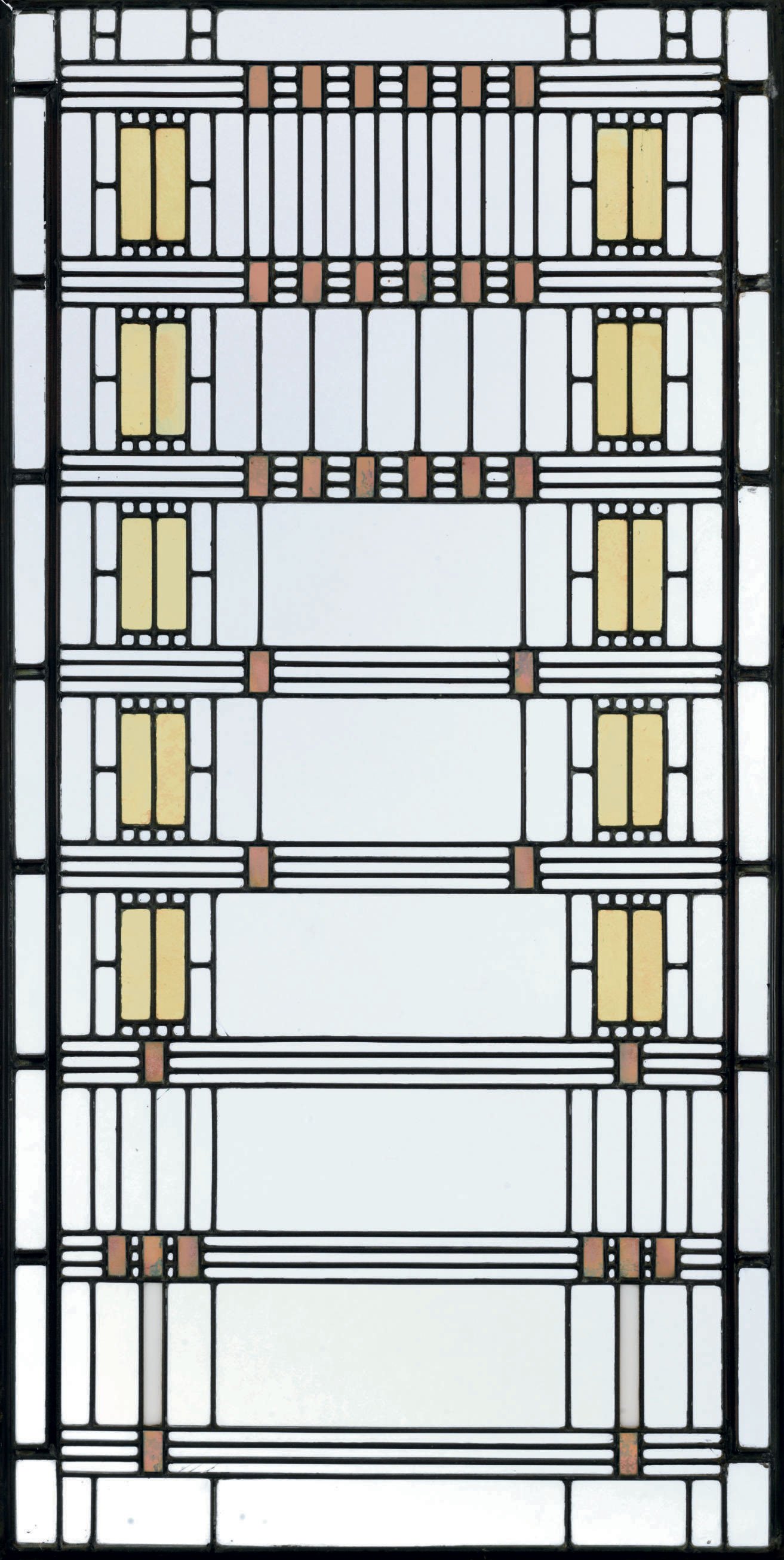
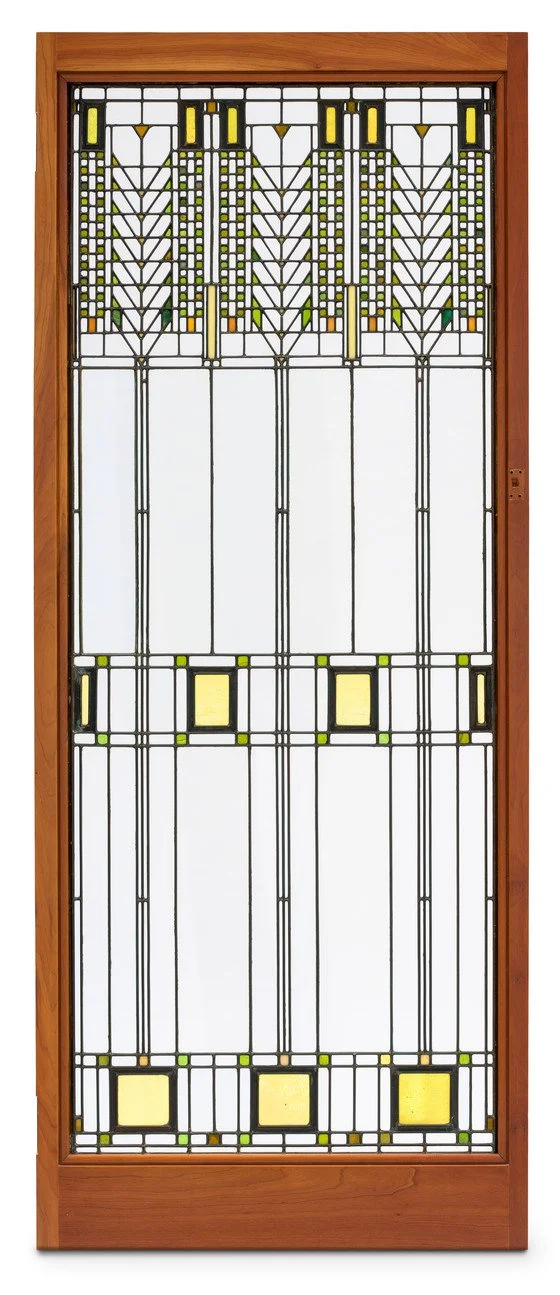
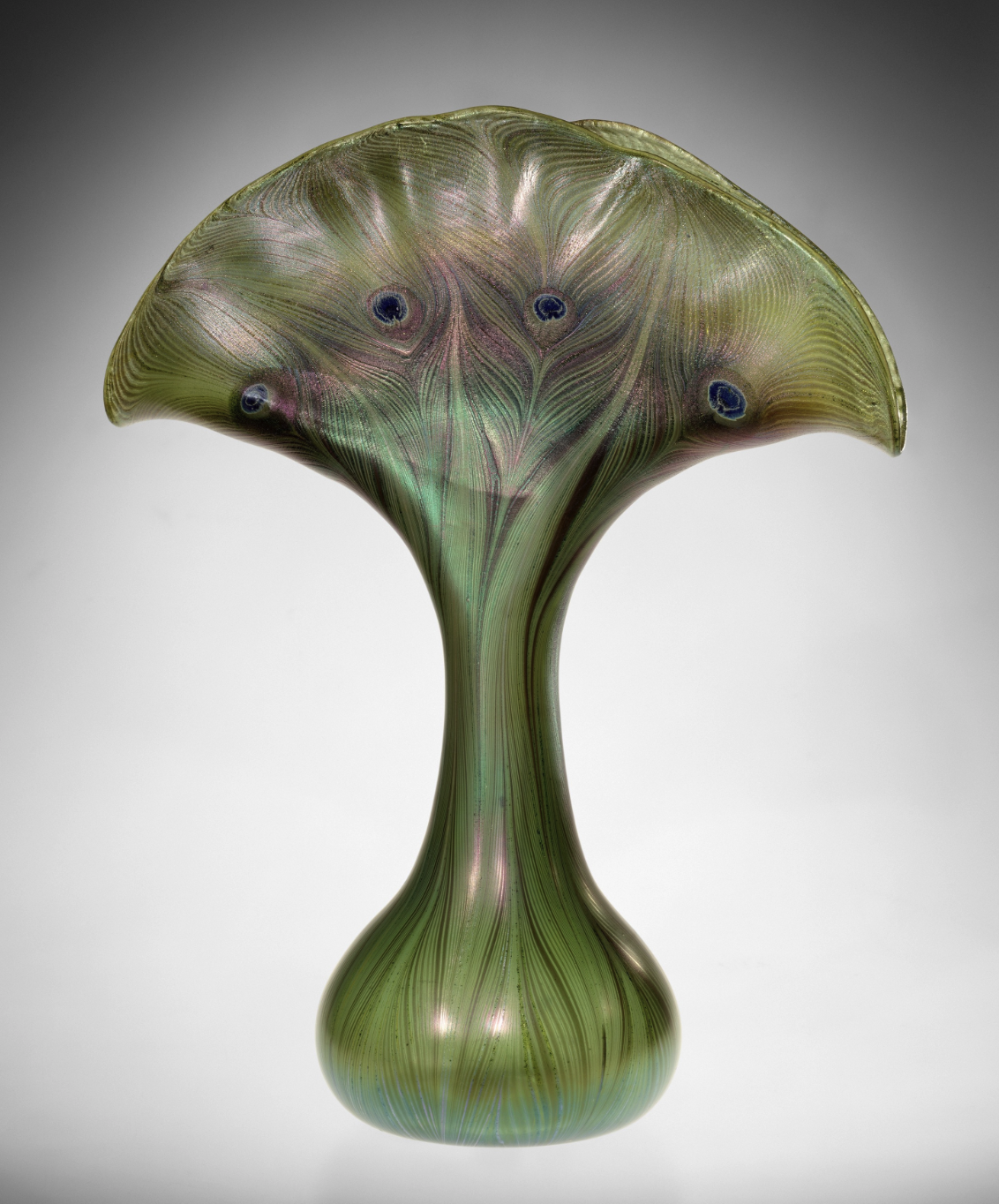
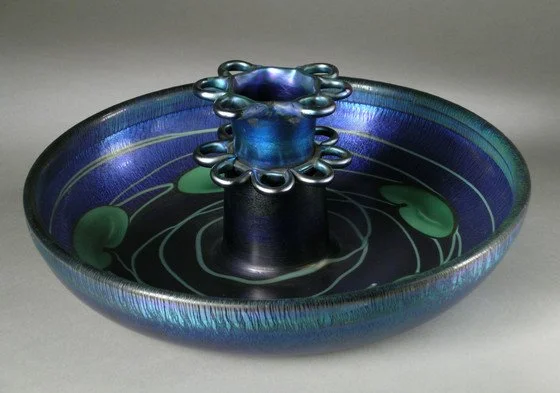
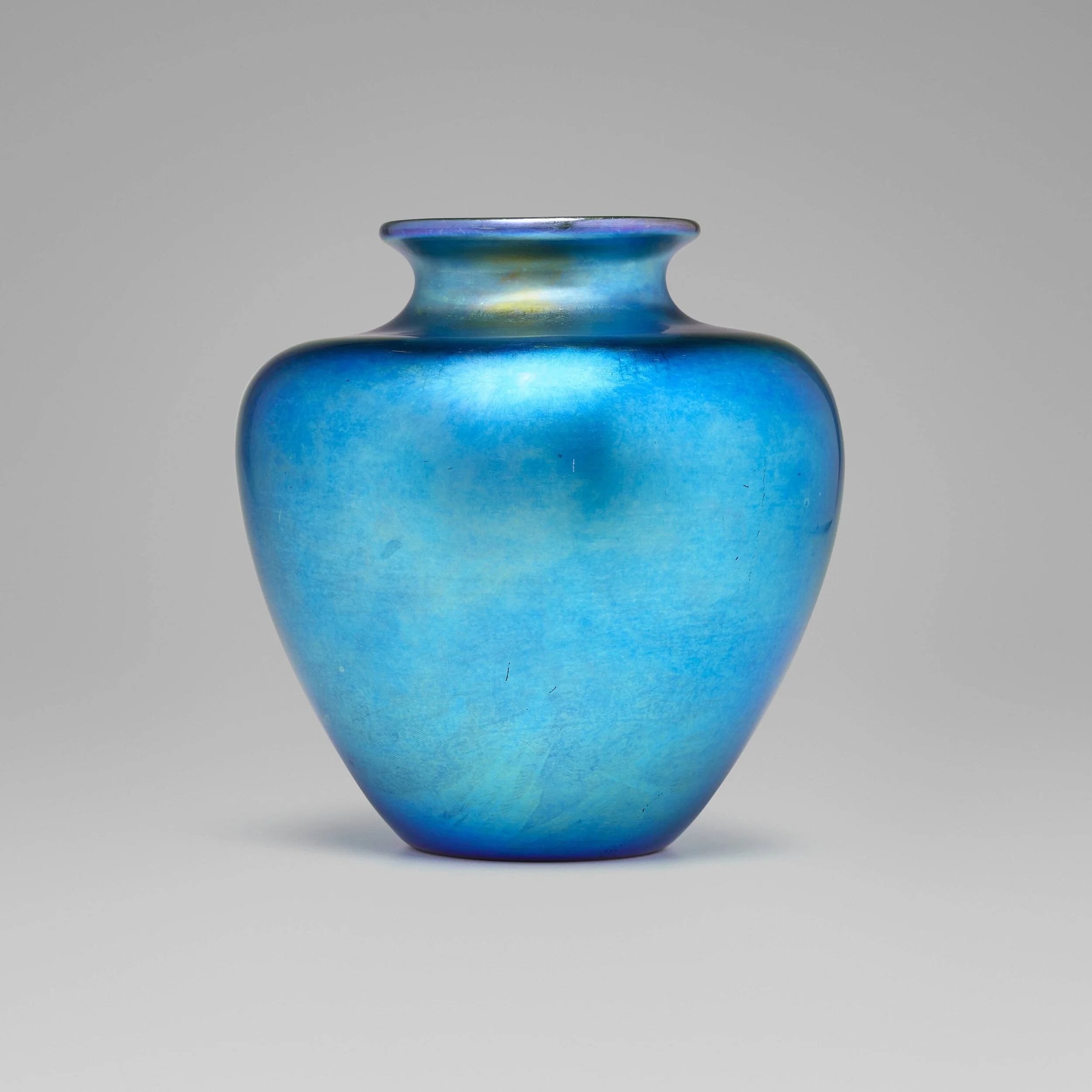
Artisan glassmakers made some of their most innovative and beautiful contributions in the first quarter of the 20th Century. Makers such as Tiffany Studios and Steuben emphasized quality and beauty in their materials and designs.


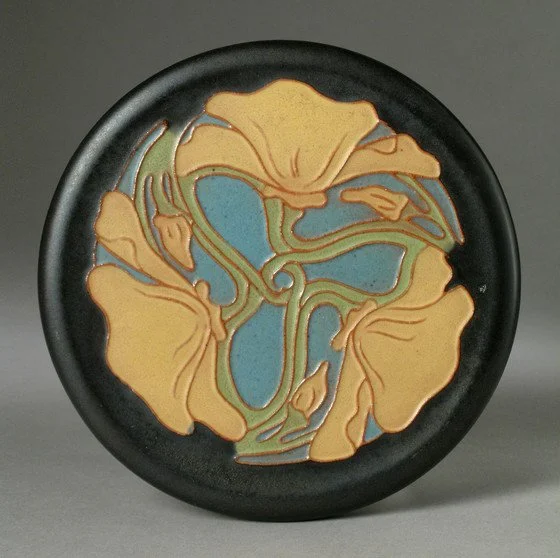
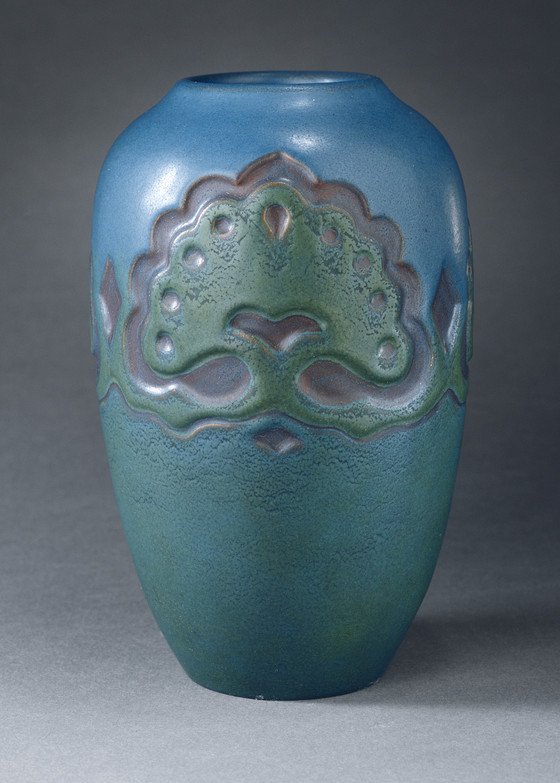
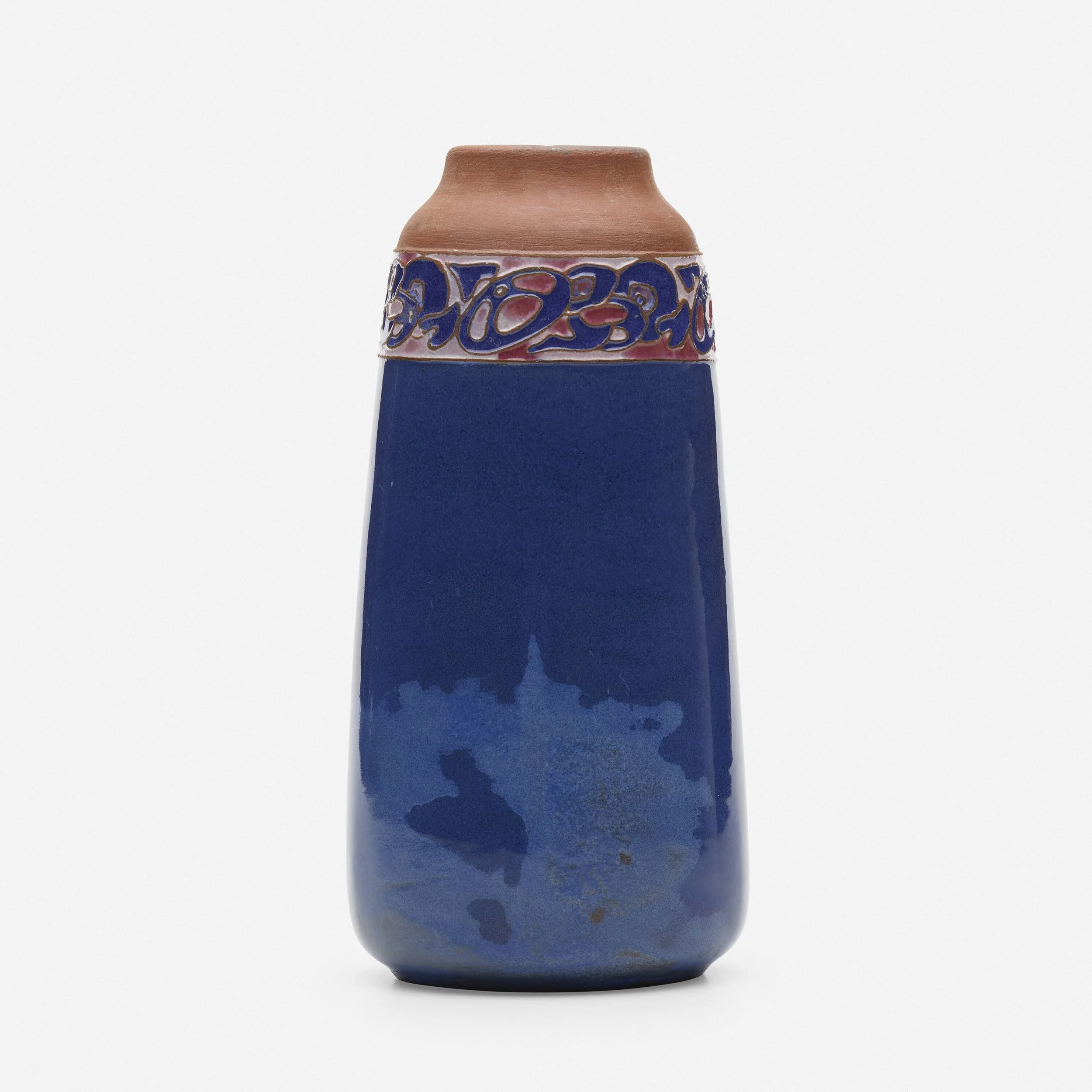
Ceramic
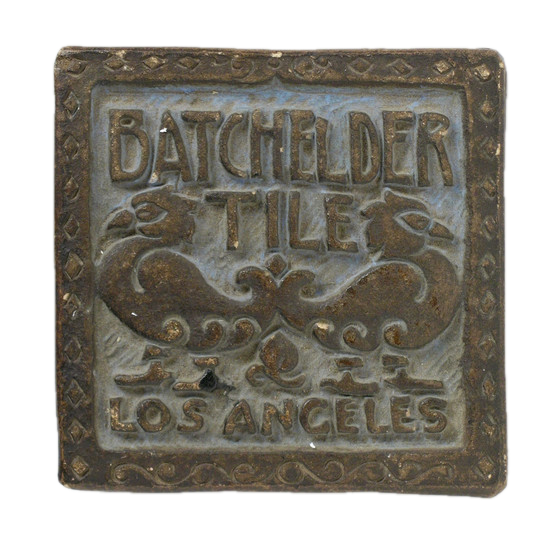
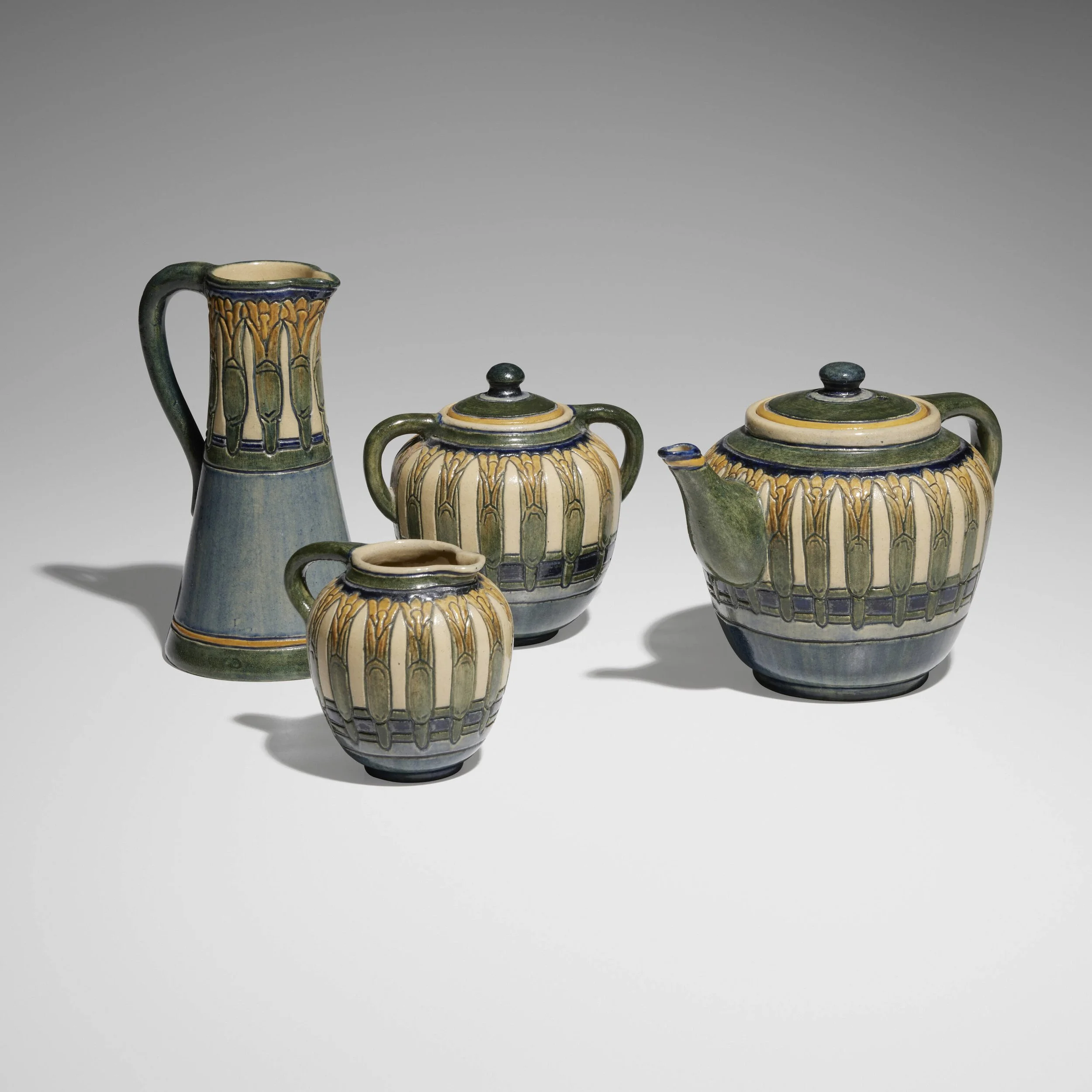
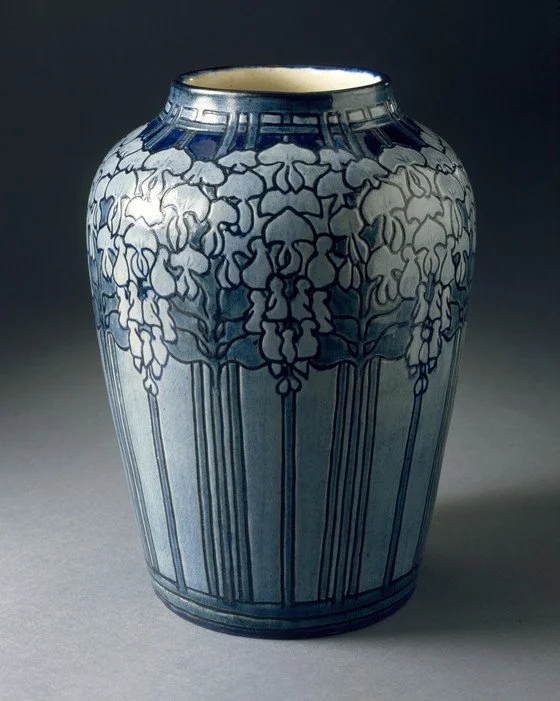
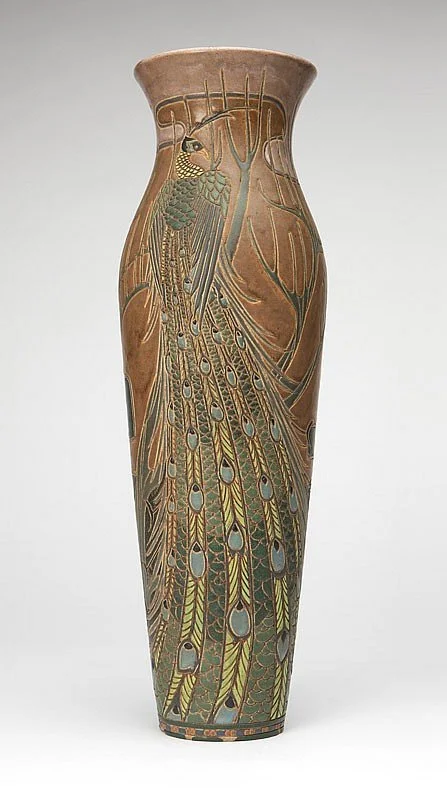
Ceramicists and decorators florished during the Arts & Crafts movement. Working at independent factories, universities, and sanatoriums, they created and decorated everything from tableware to objets d’art.





Metal Work
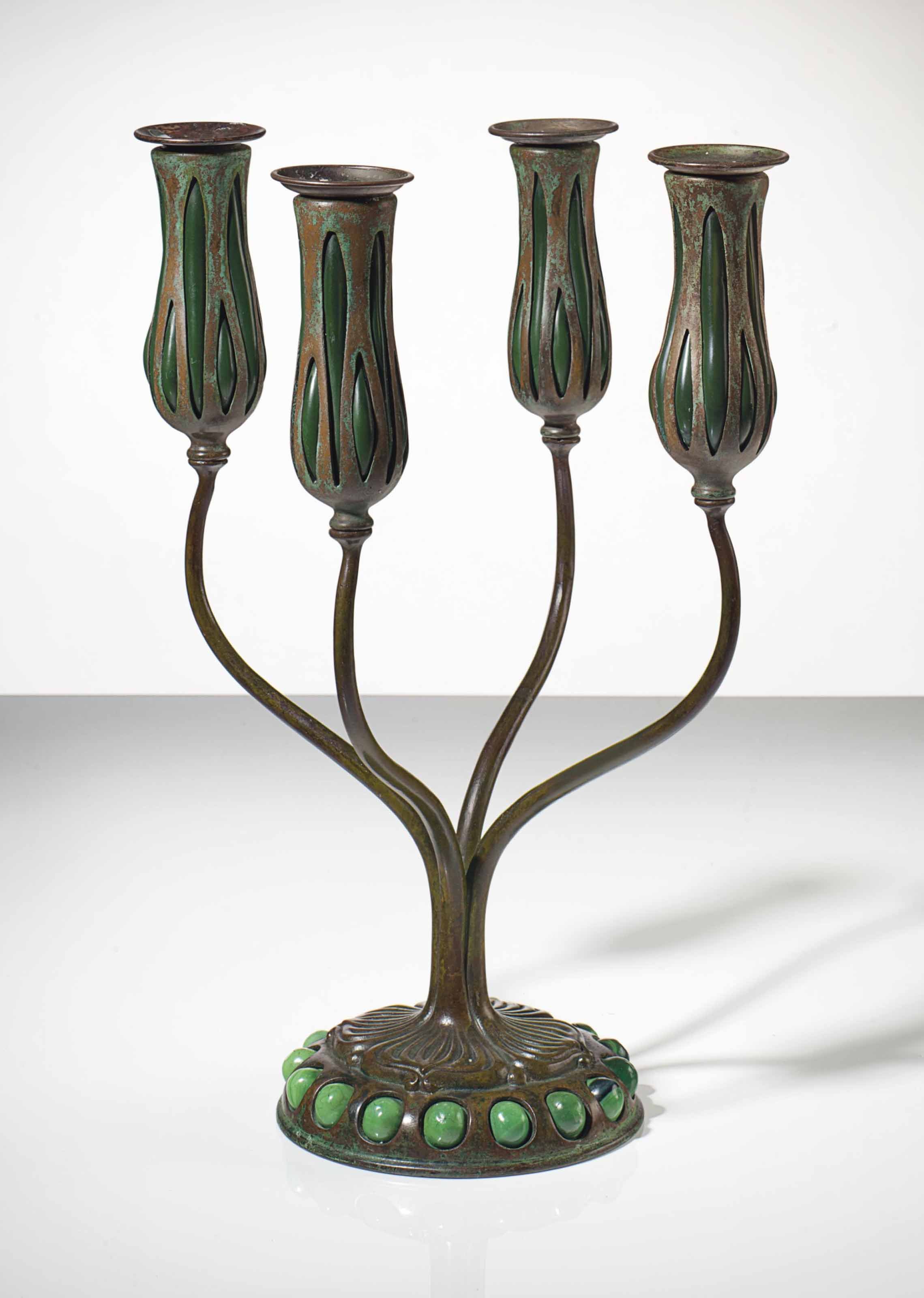
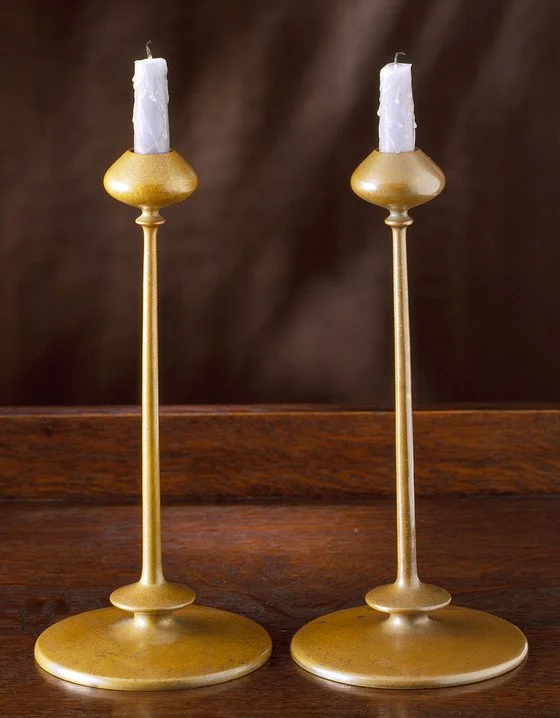
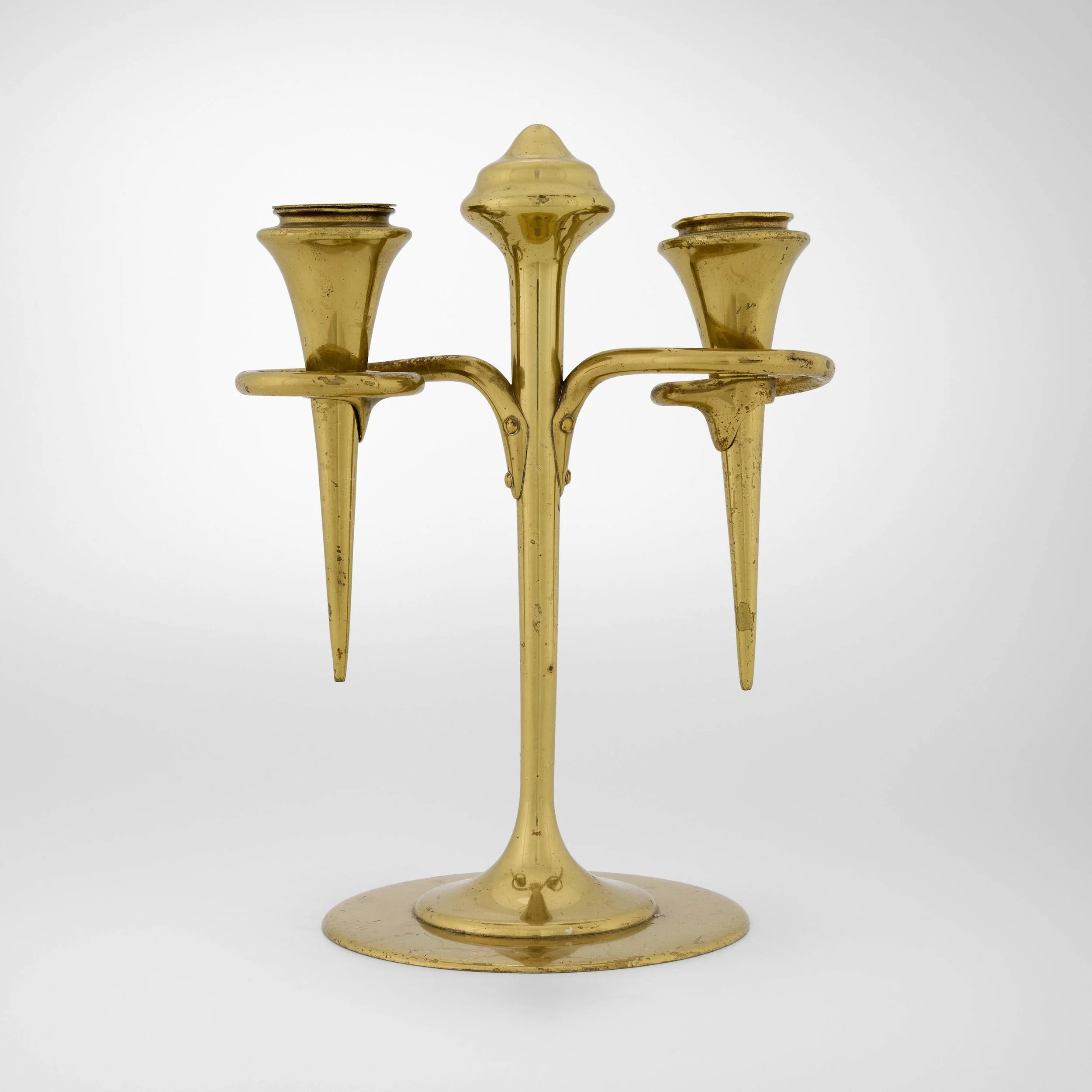
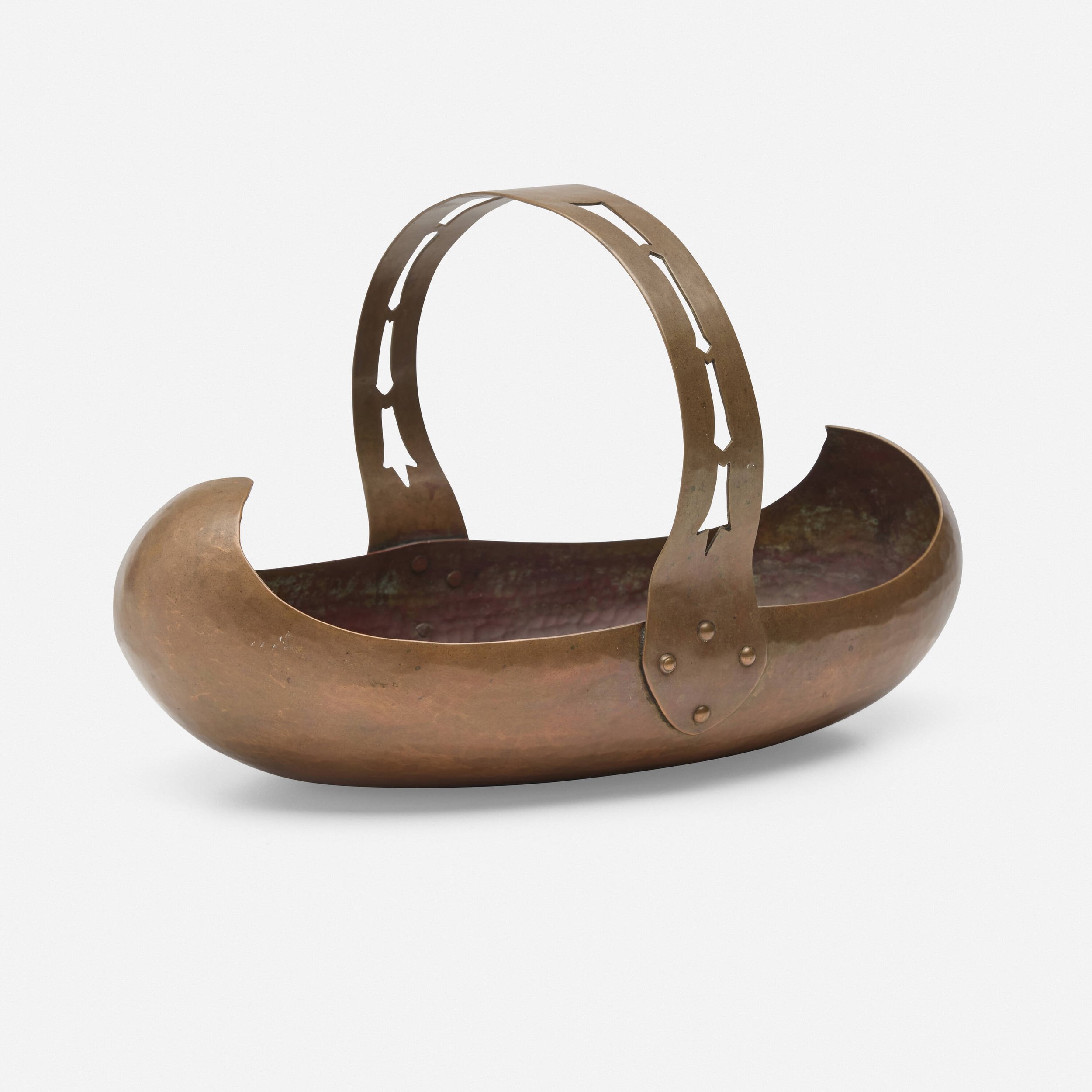
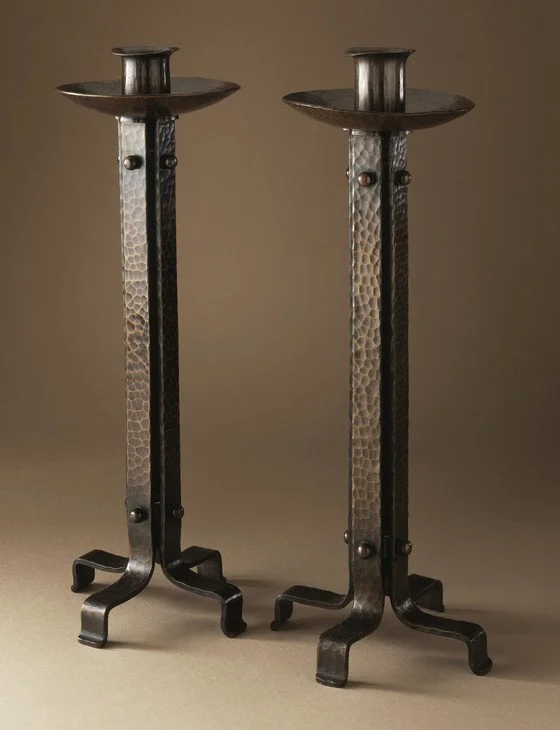
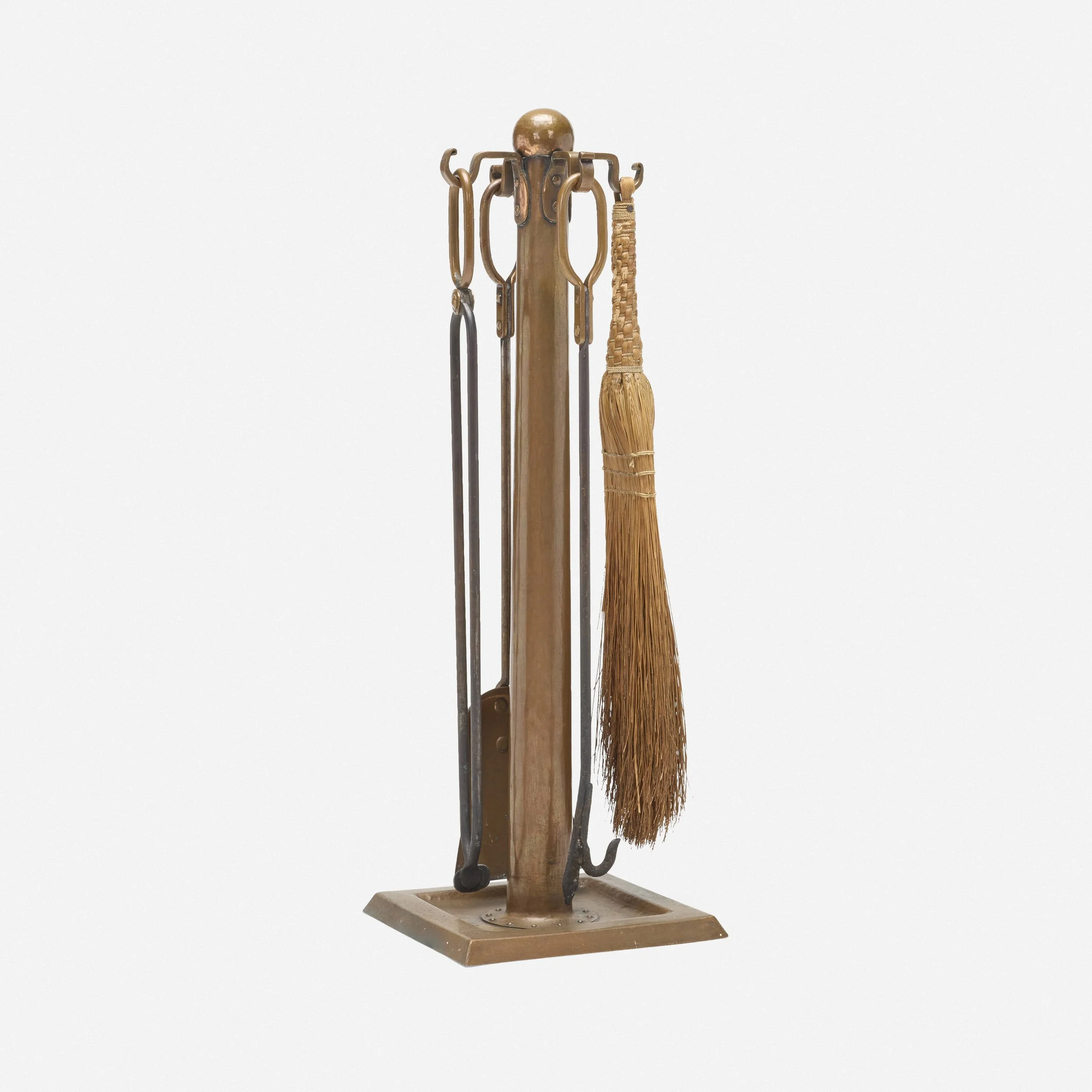
No Craftsman home would be complete without warm bronze or copper accessories. From the desk to the ceiling, many firms provided pieces that would suit the more casual style of Arts & Crafts.






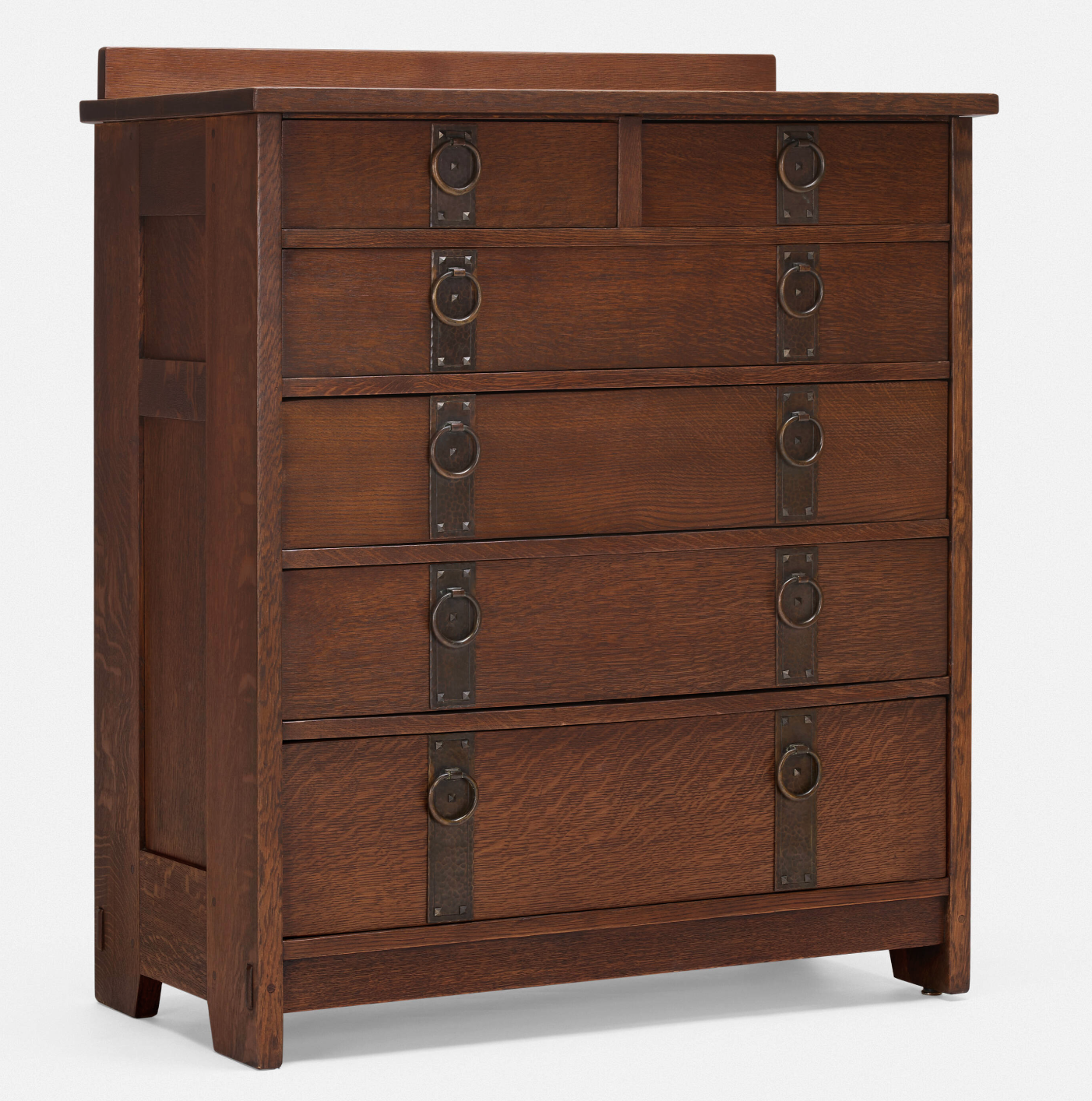
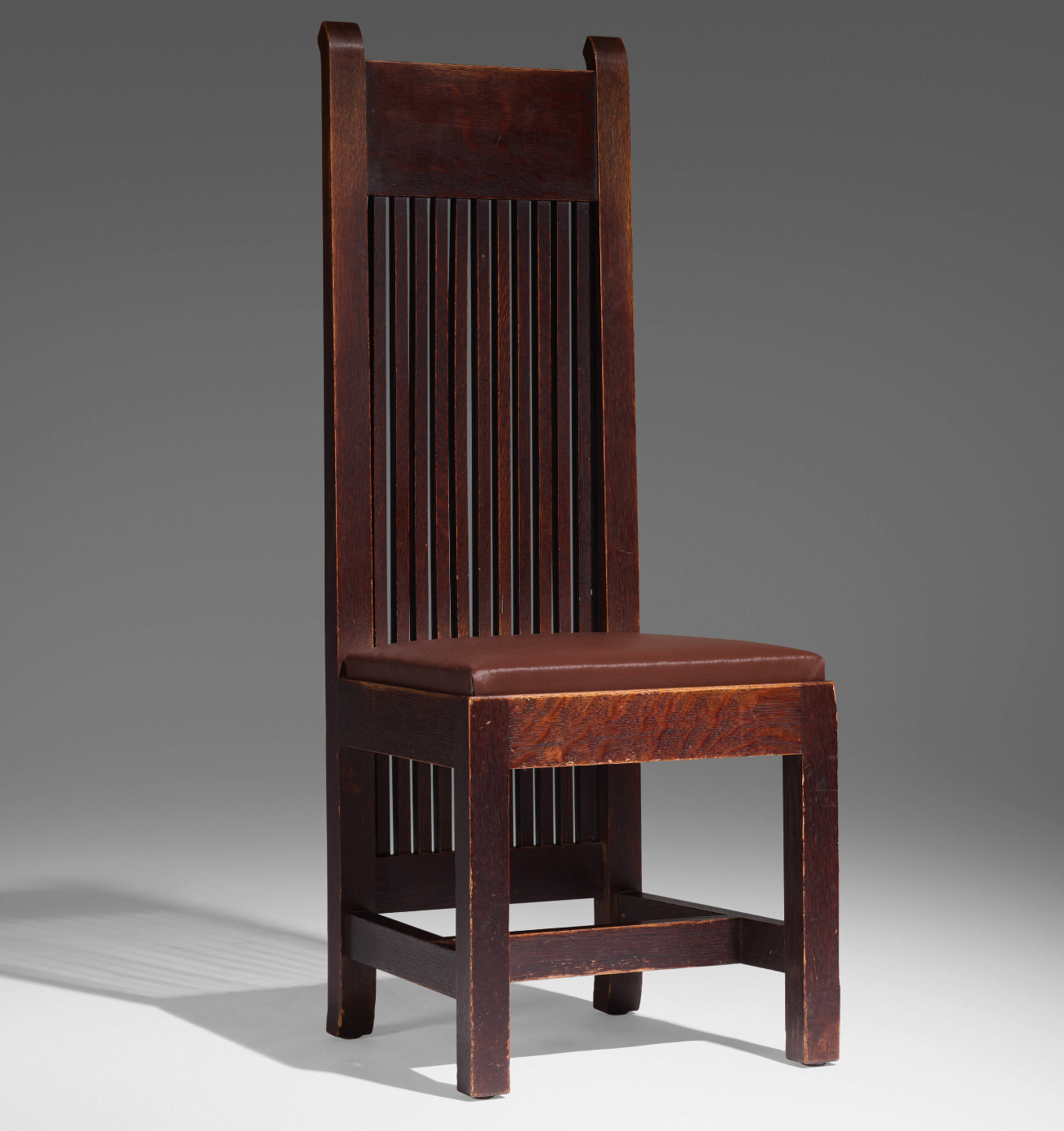
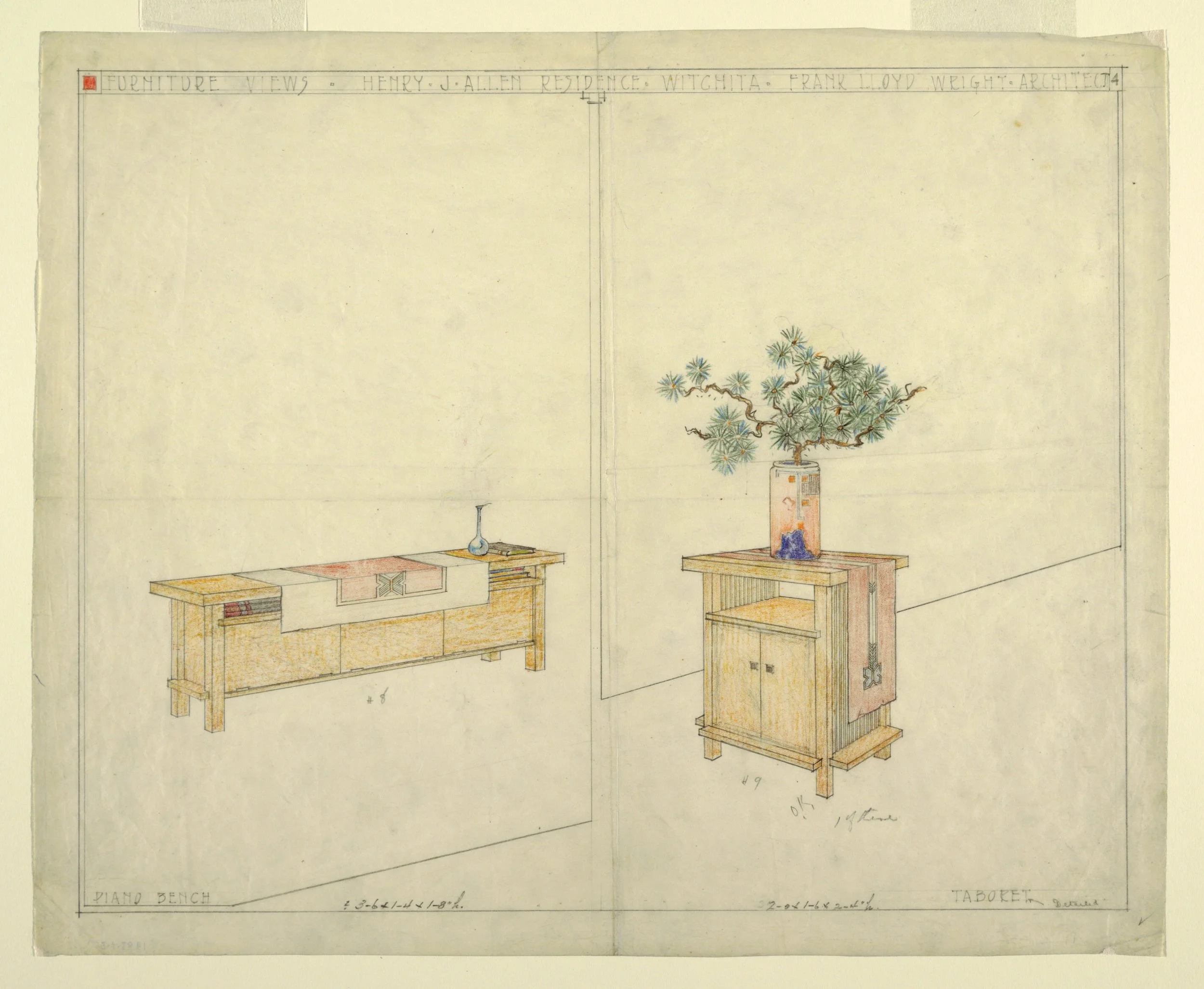
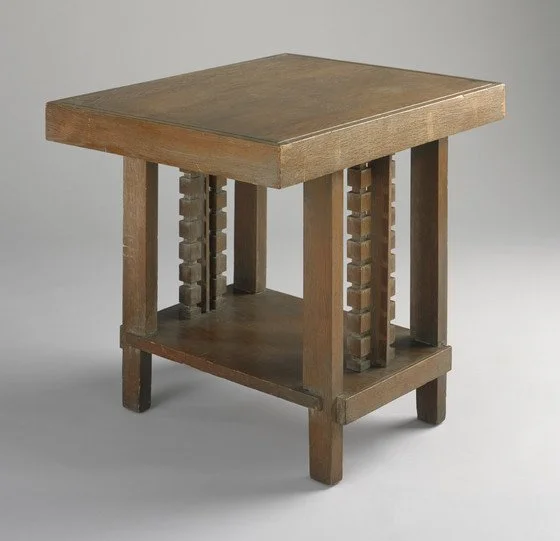
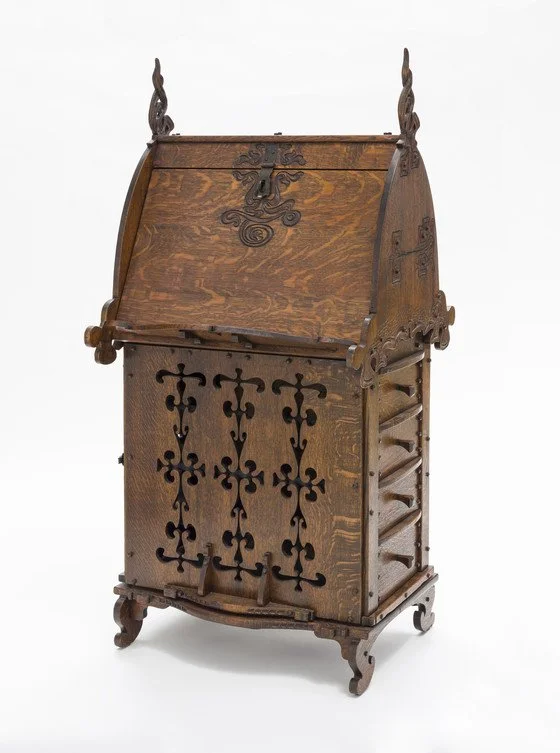
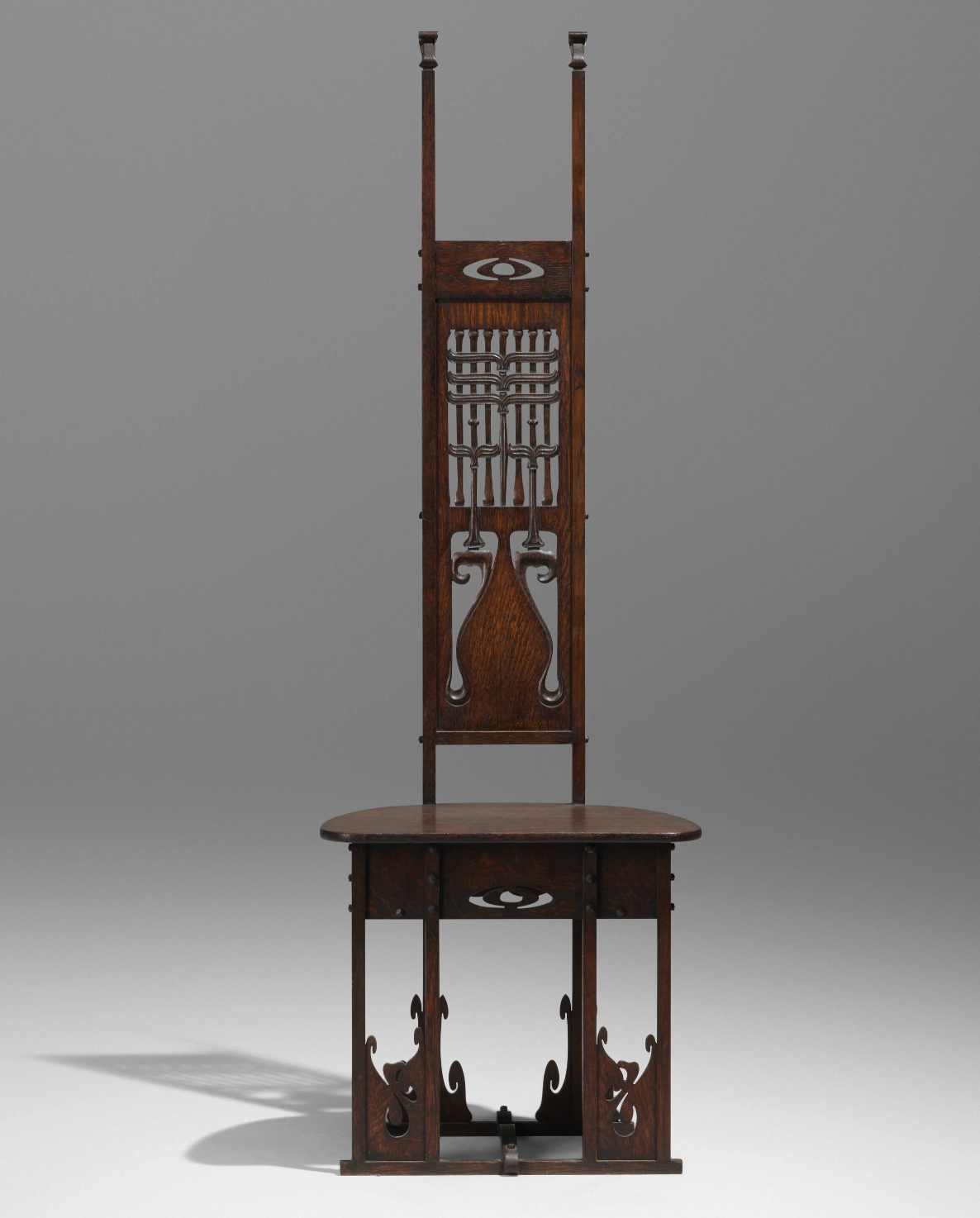
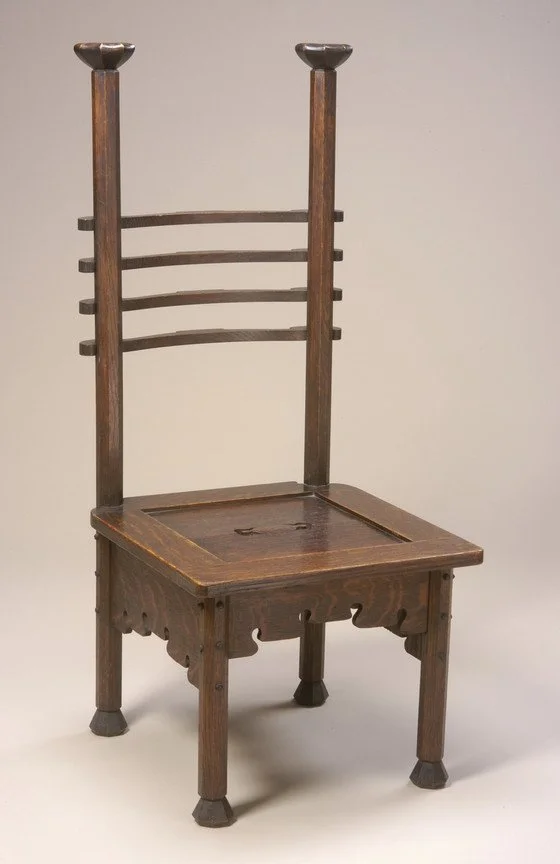
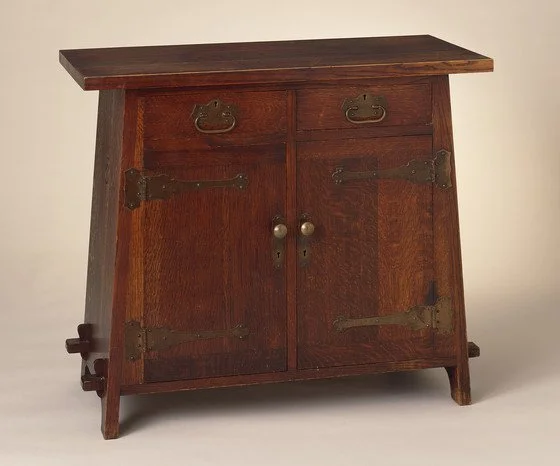
Furniture
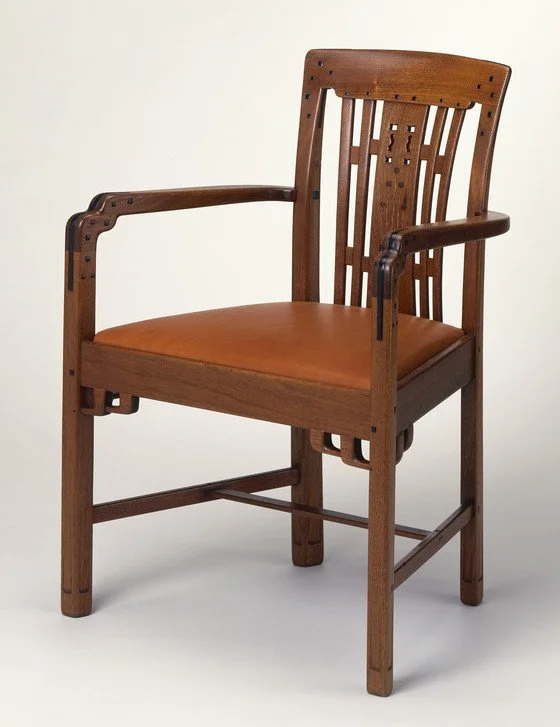
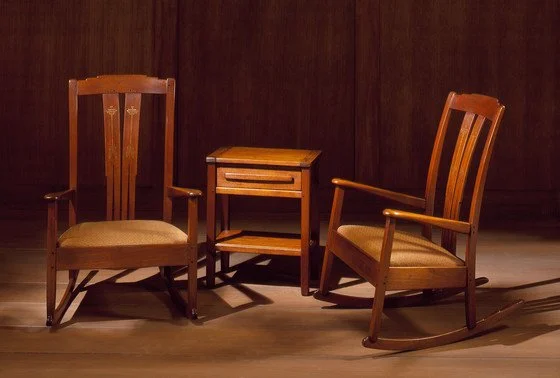
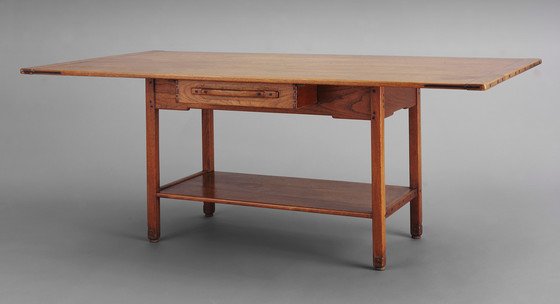
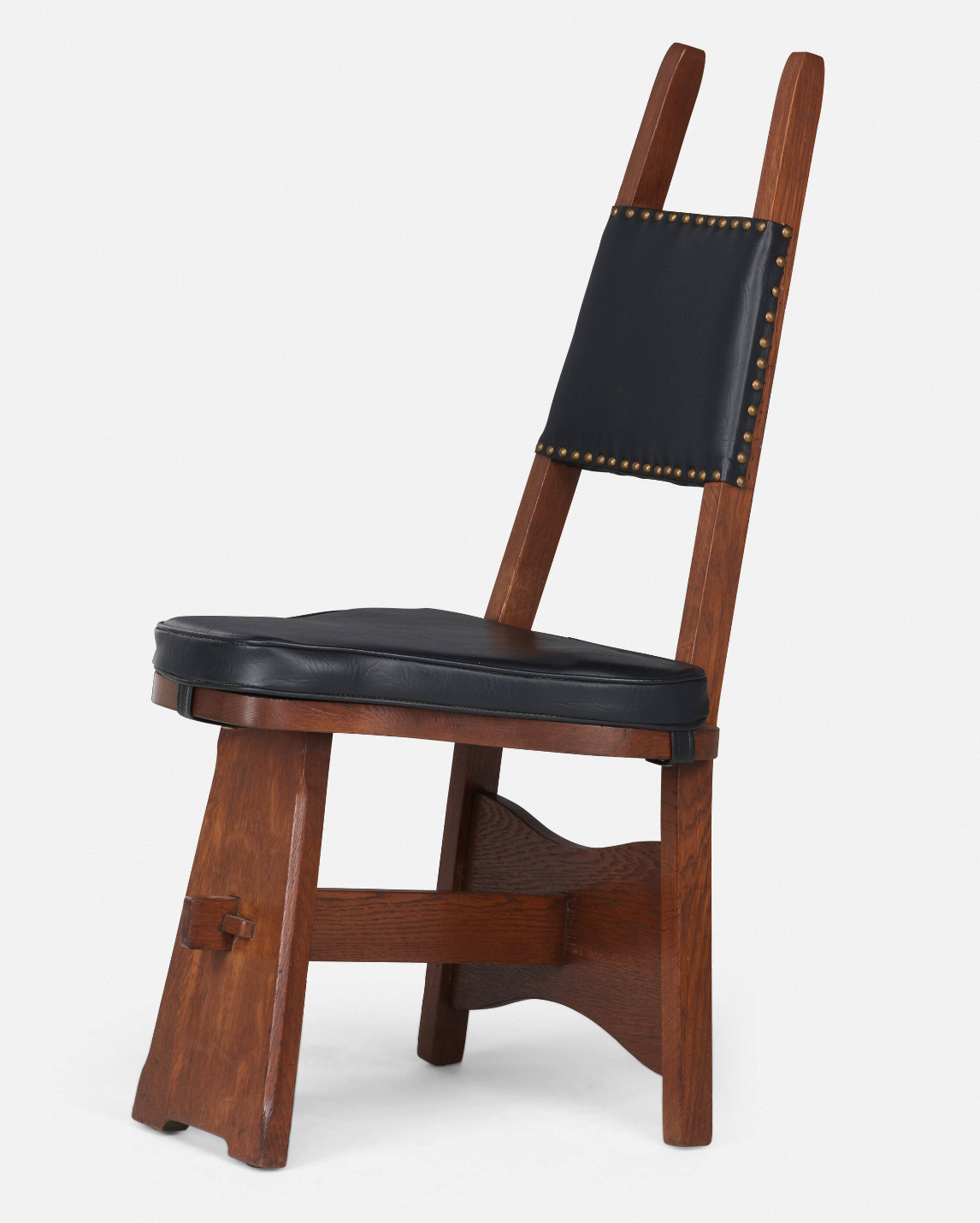
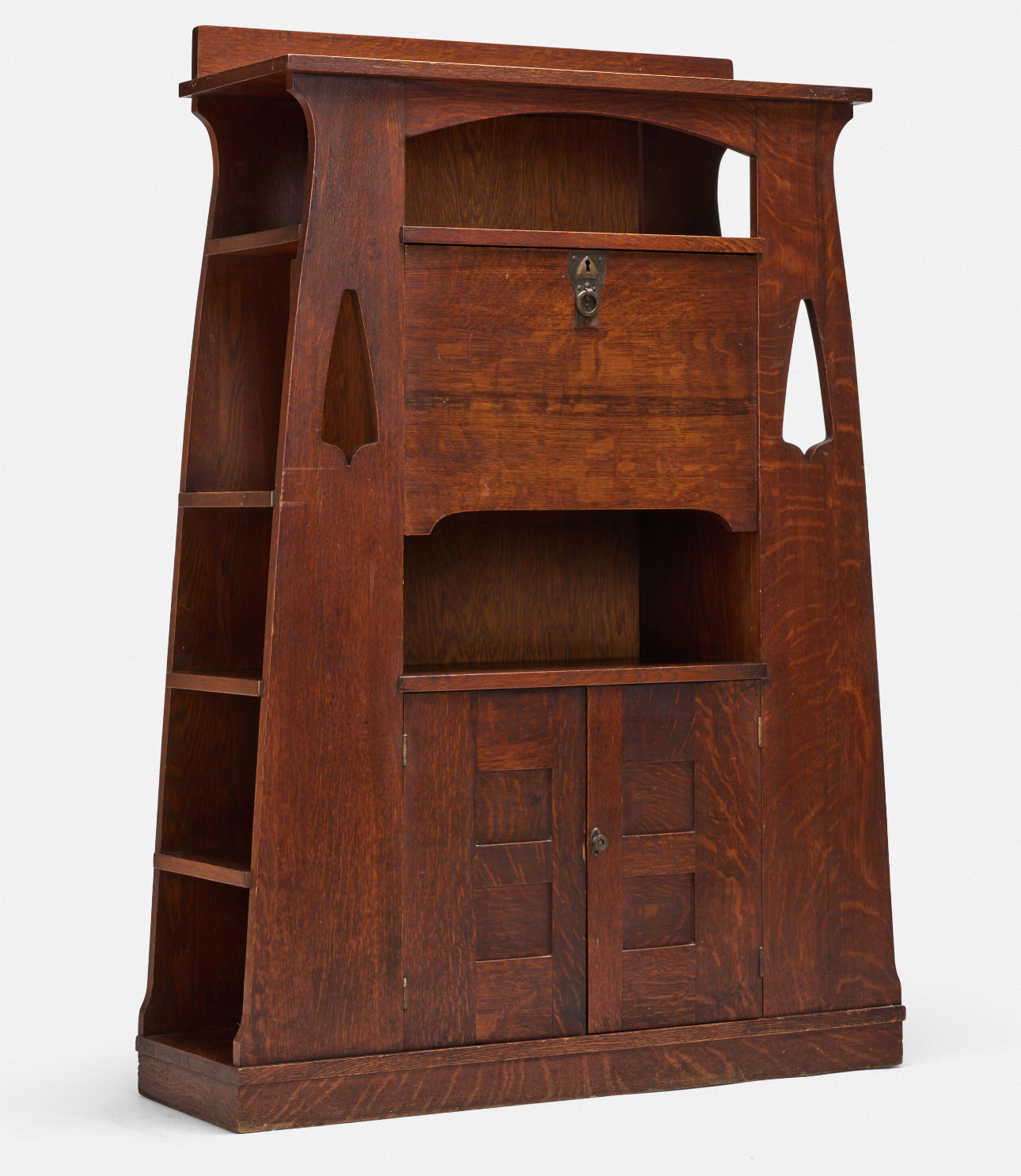
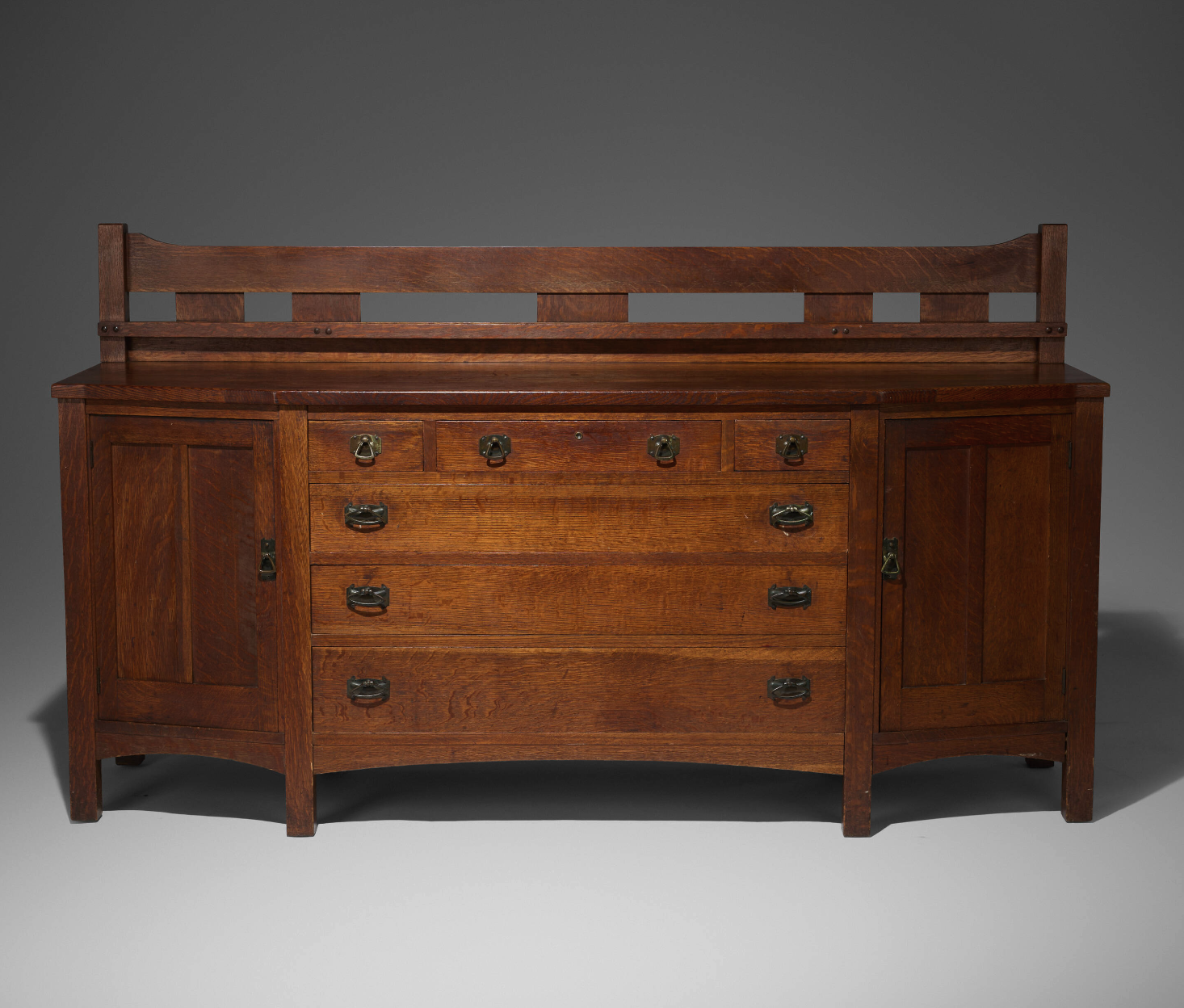
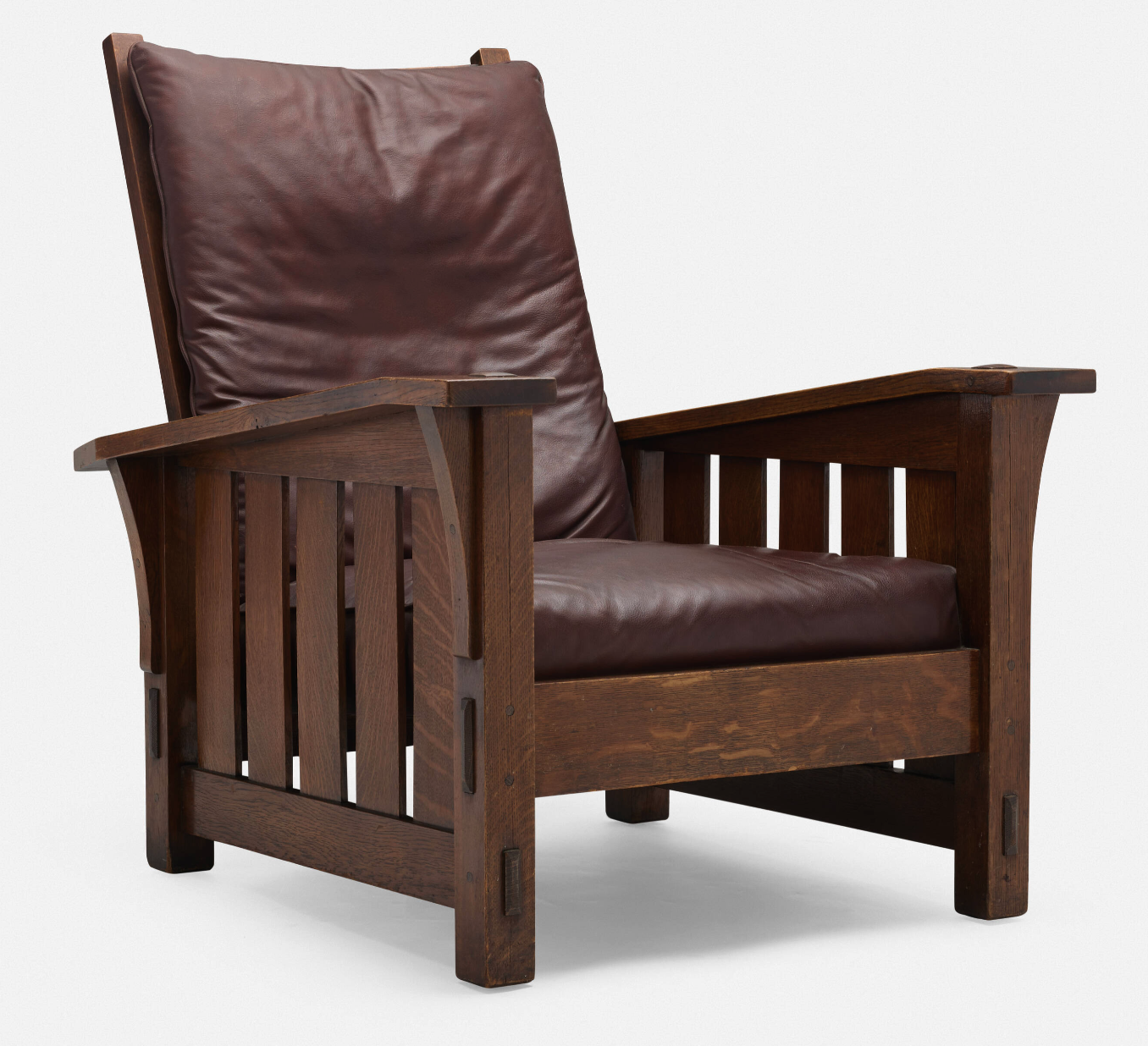
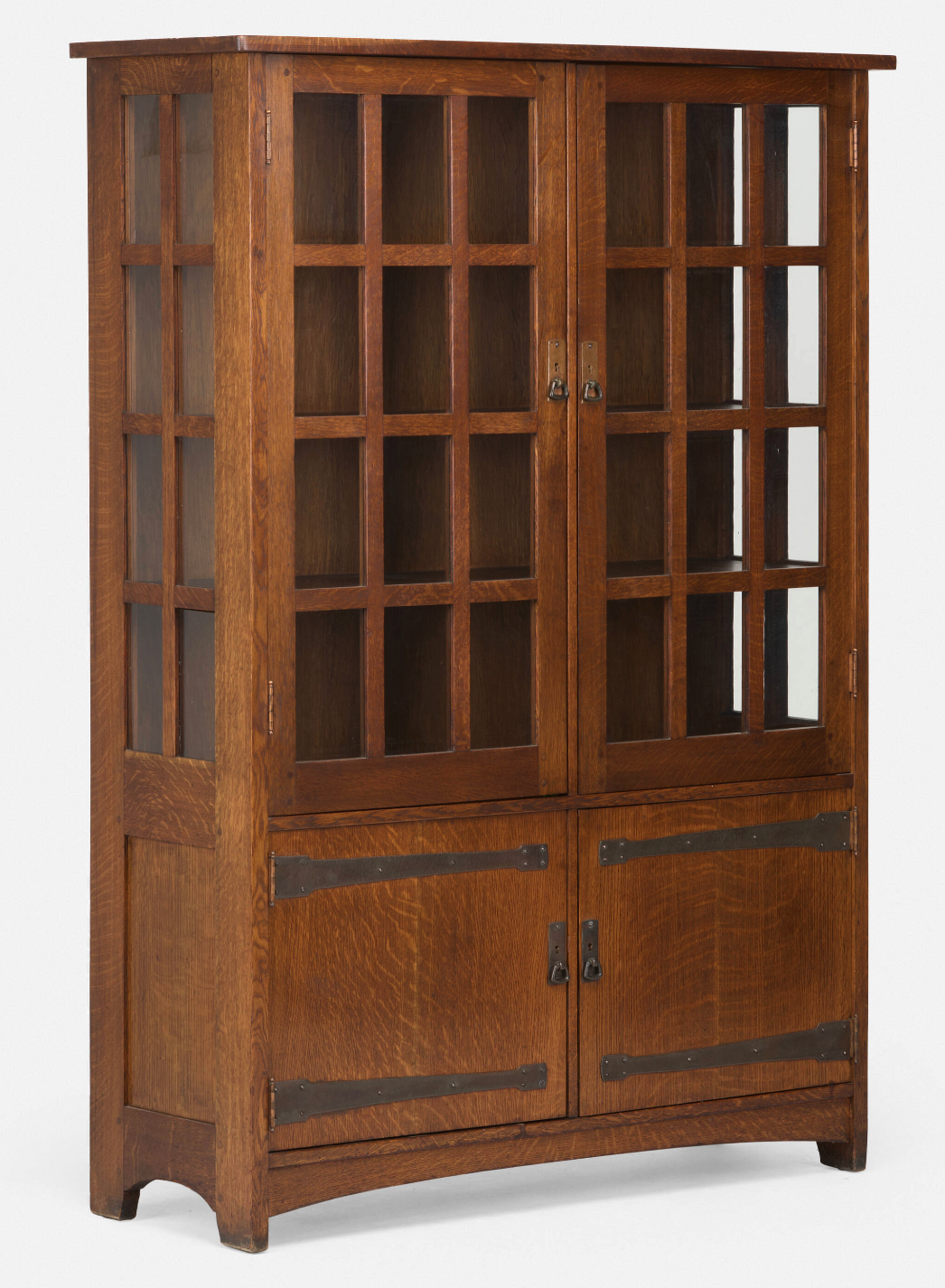
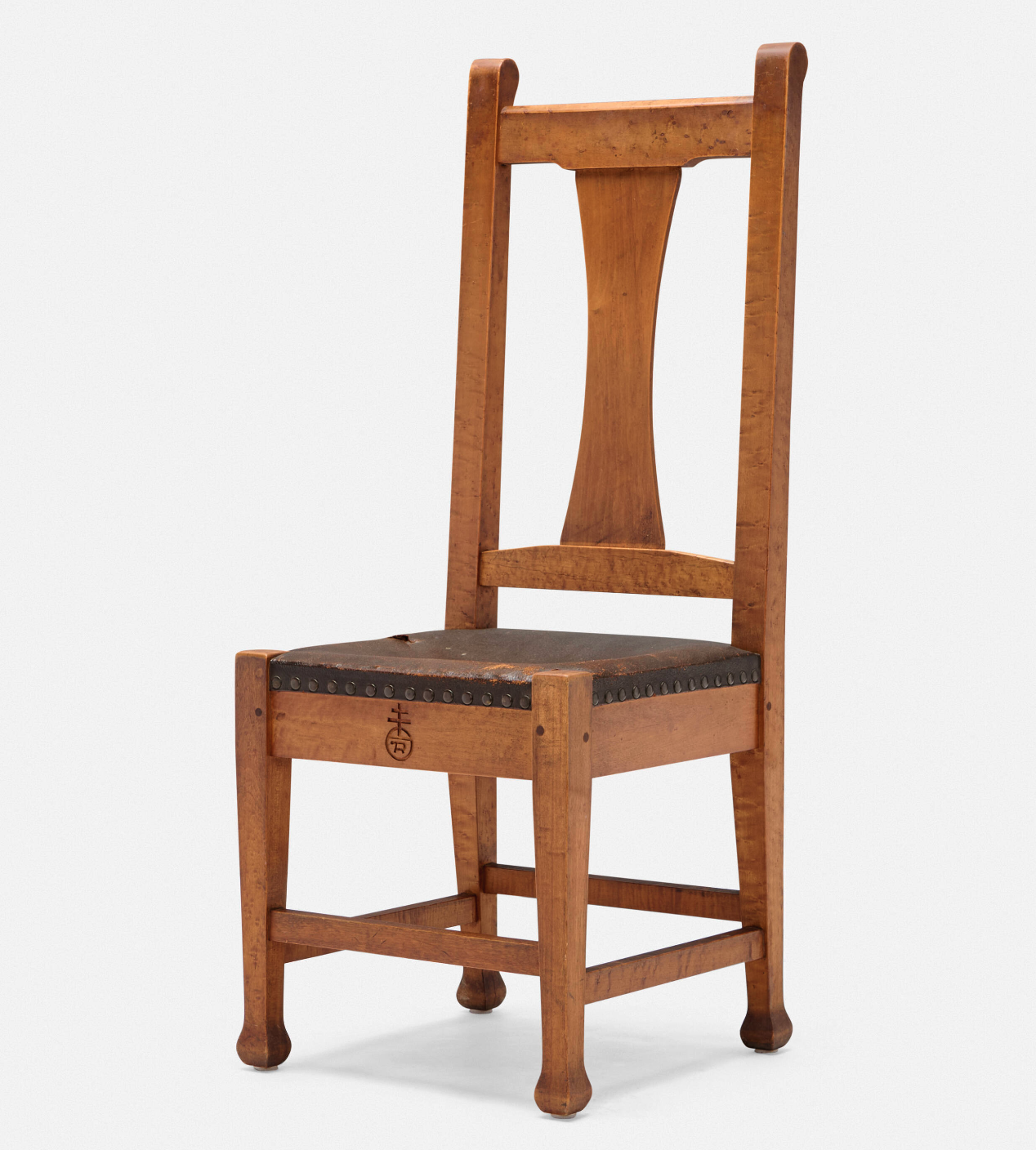
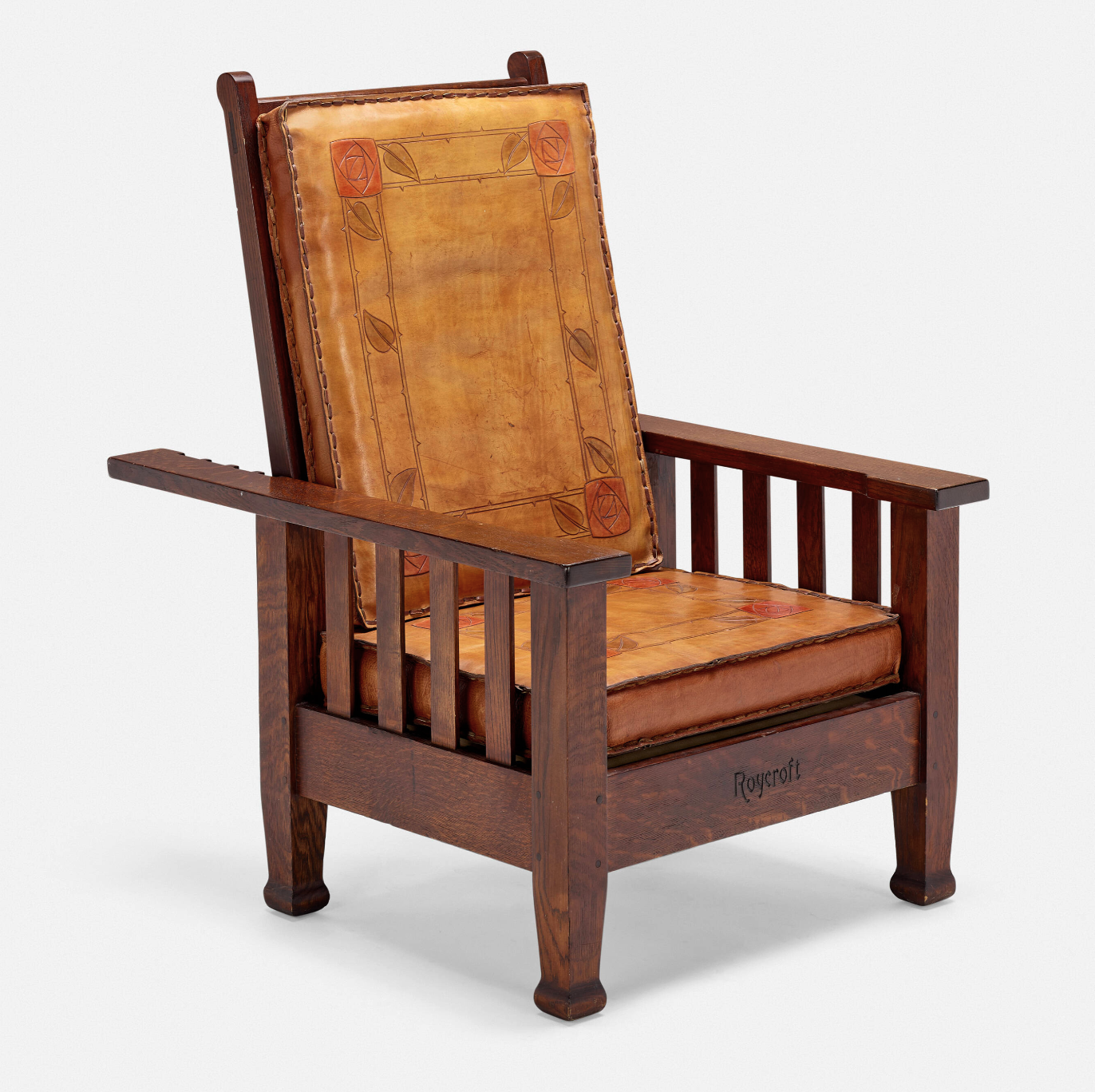
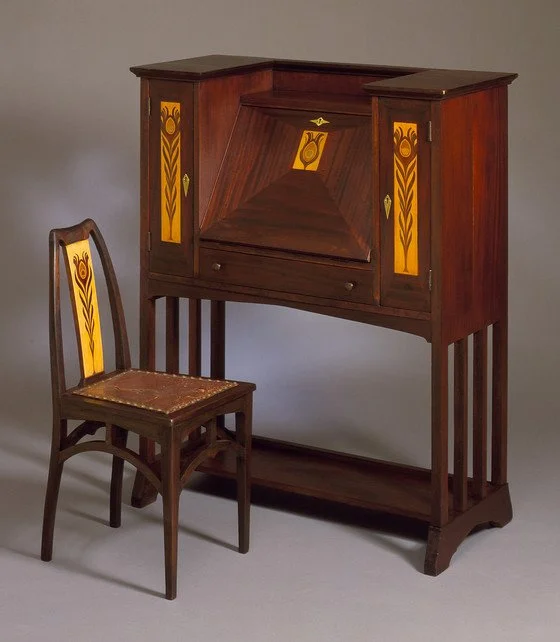
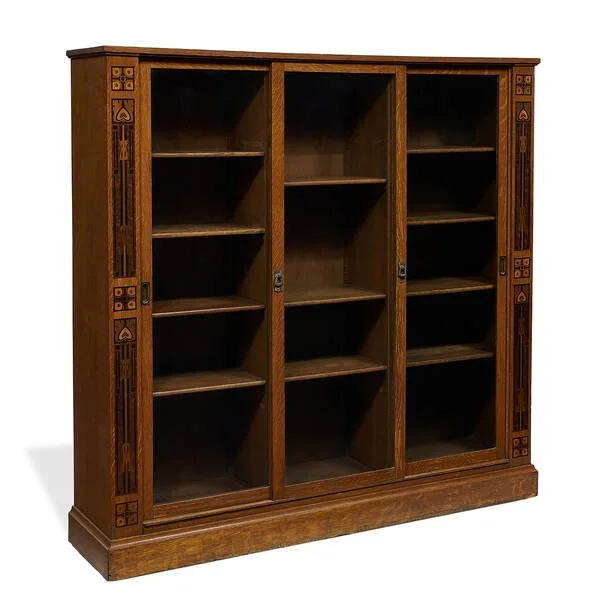
Often made of oak with contrasting wood details, Arts & Crafts furniture is defined by handmade touches with minimal adornment, letting the functionality of the piece and beauty of the materials do the talking.


Lighting
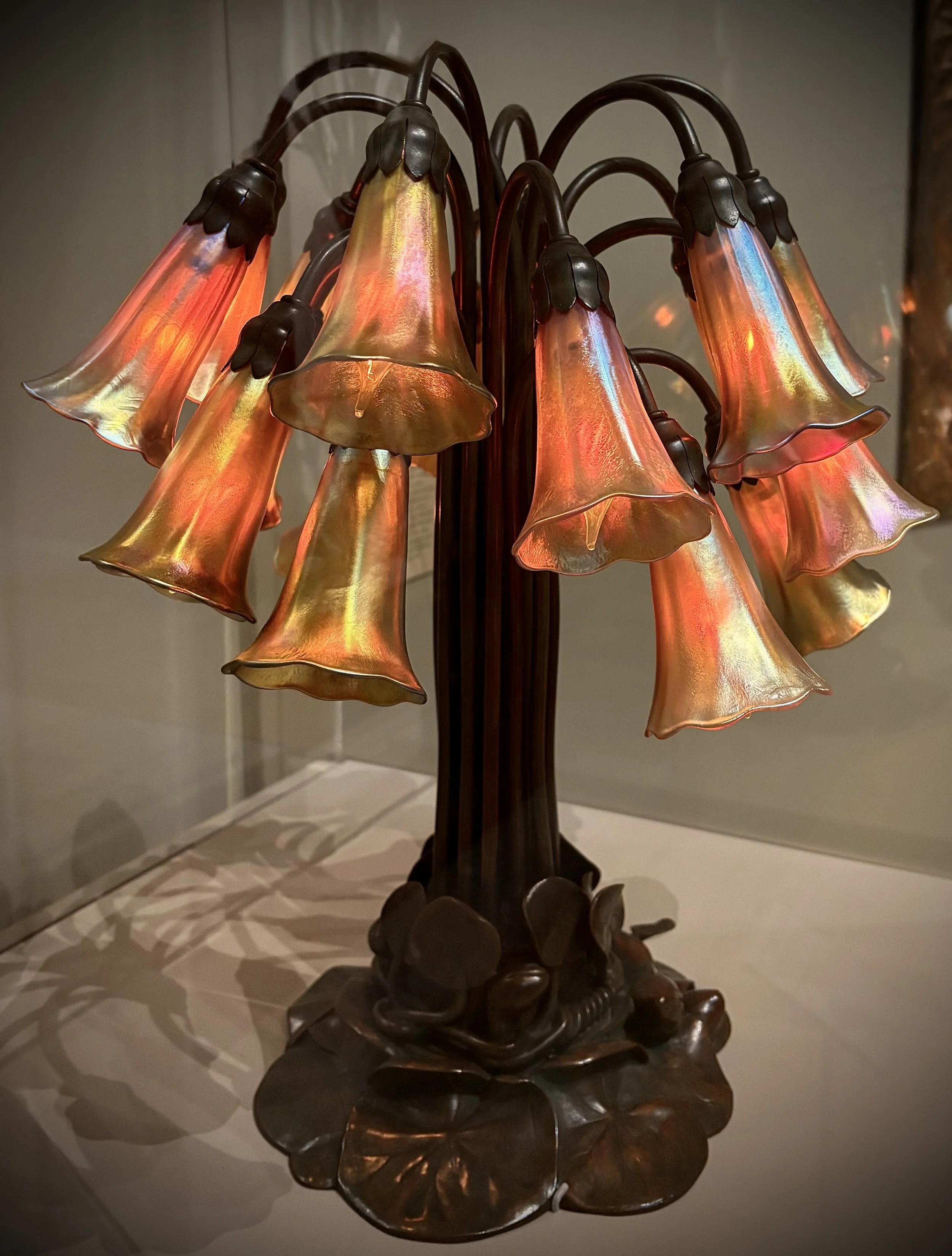
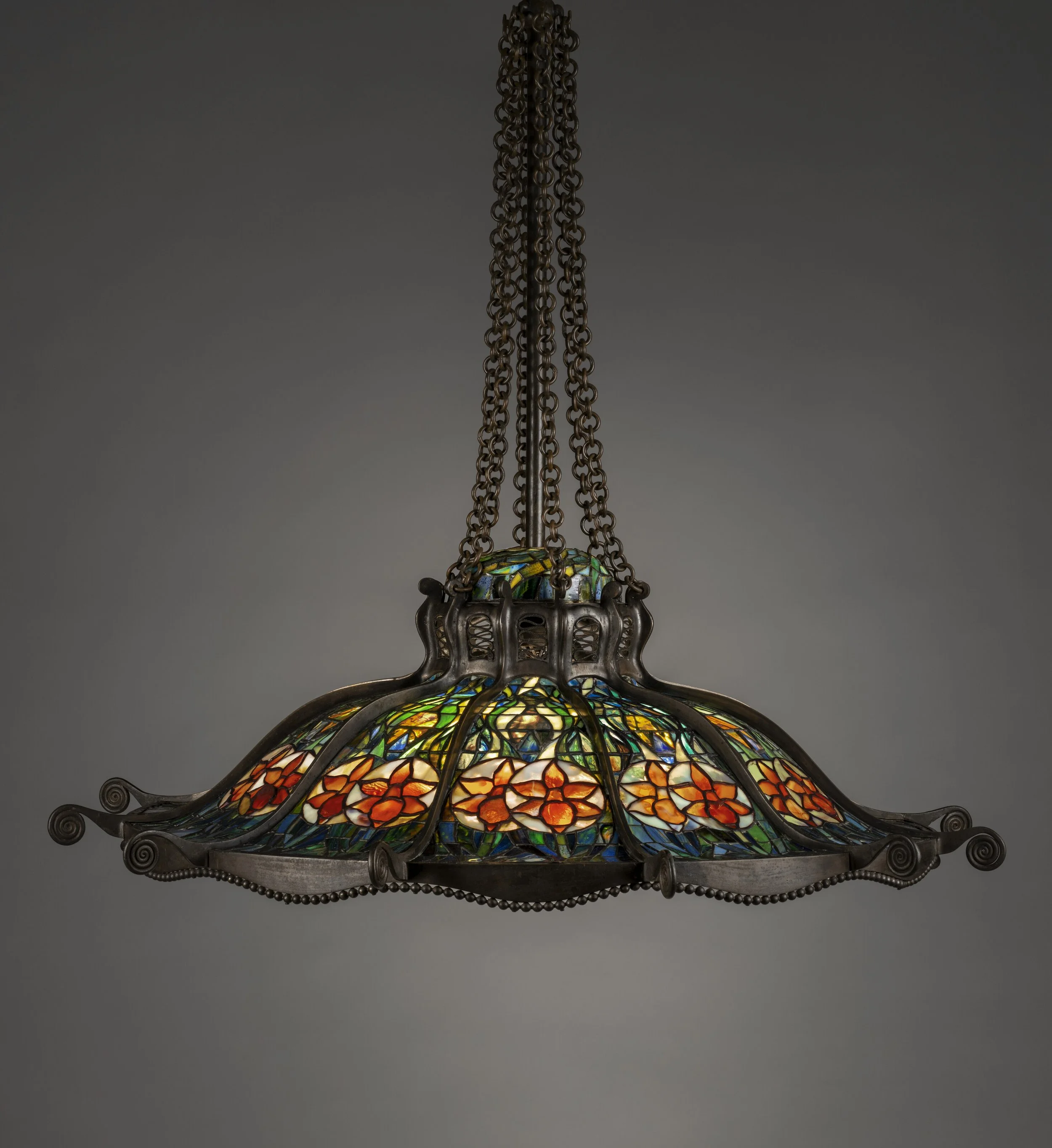
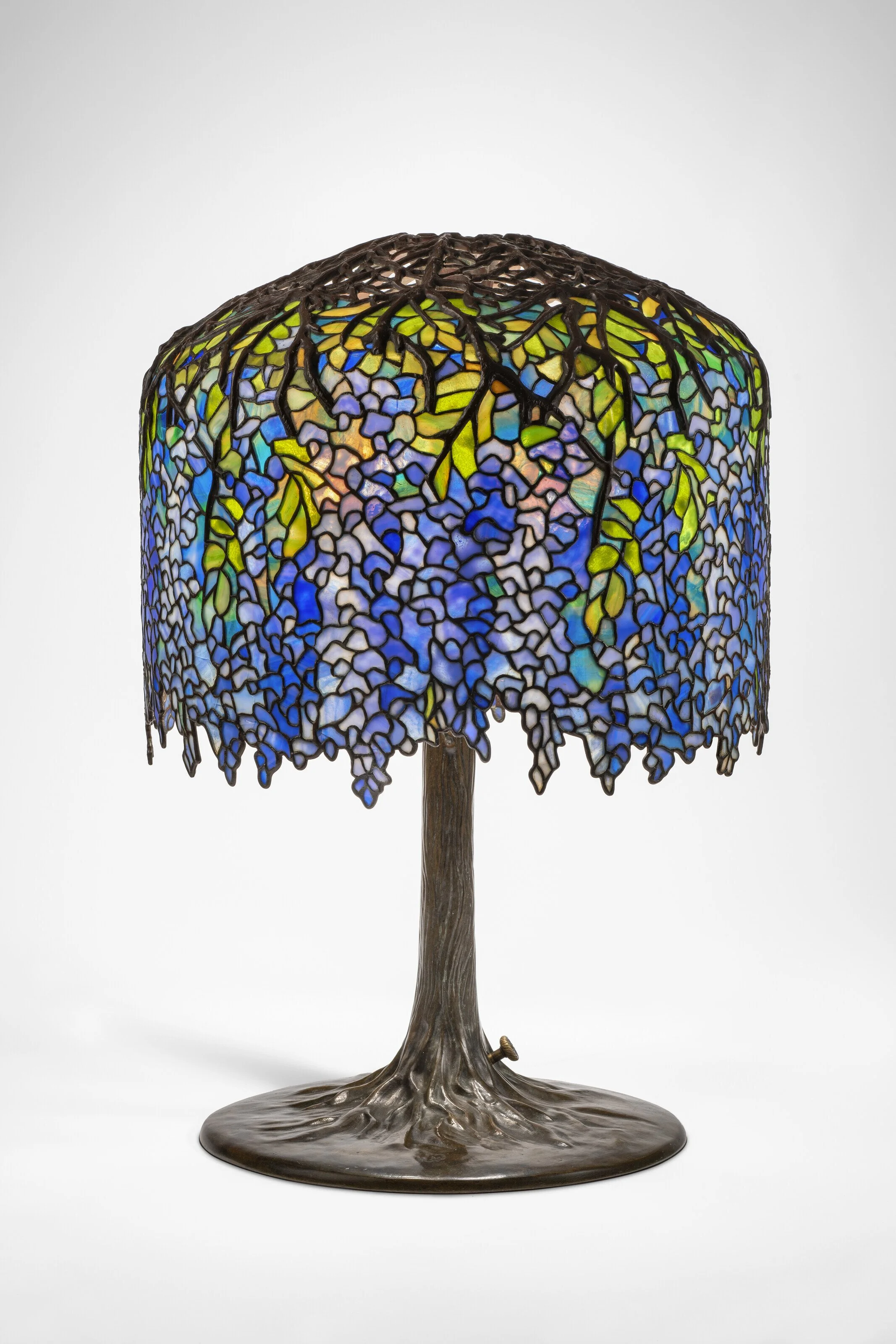
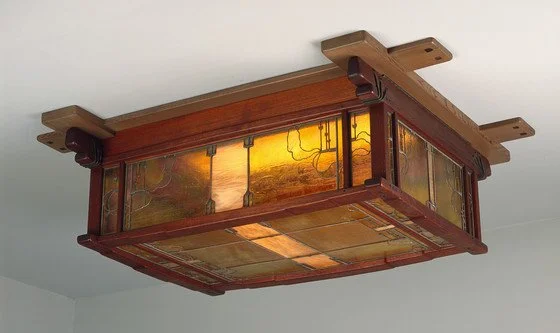
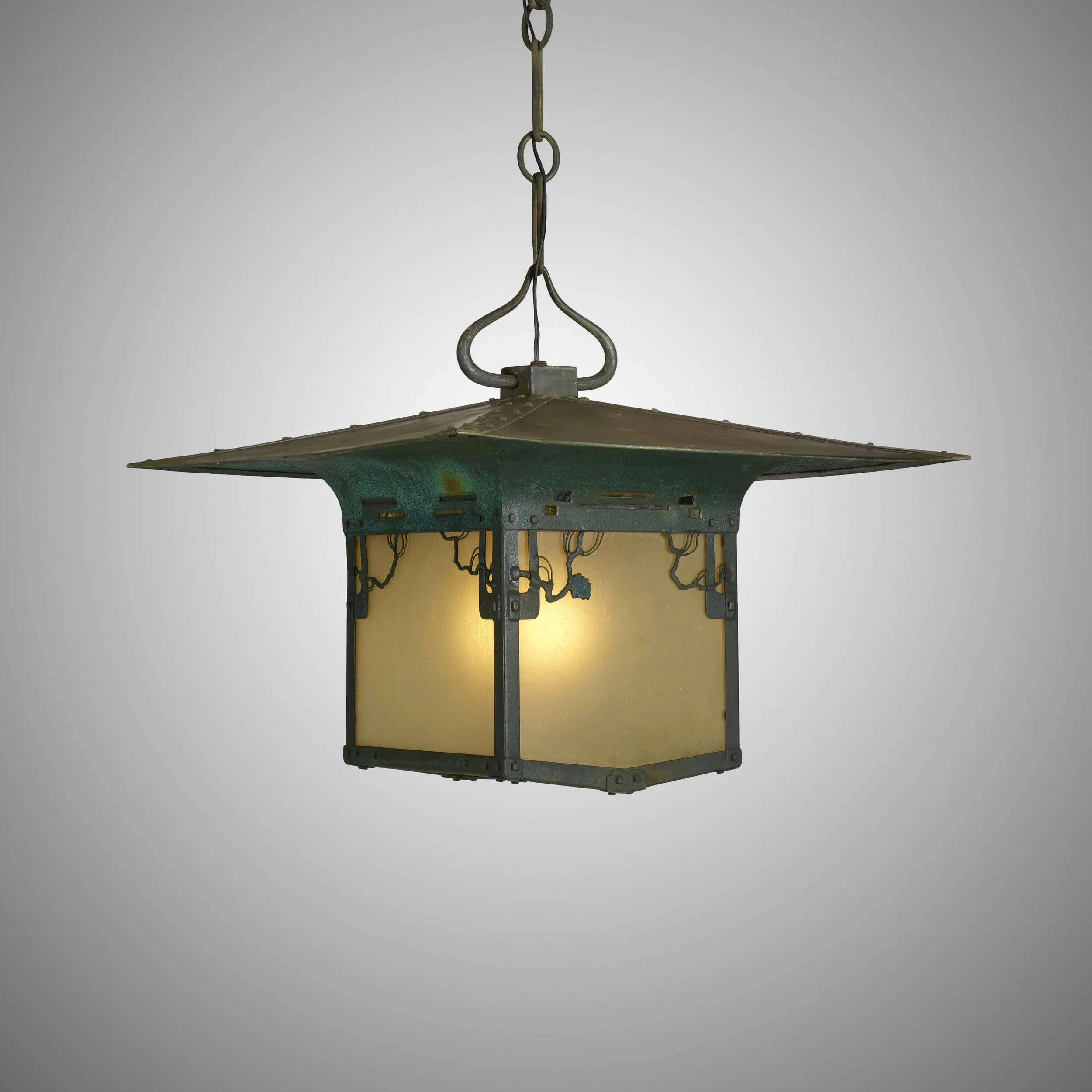
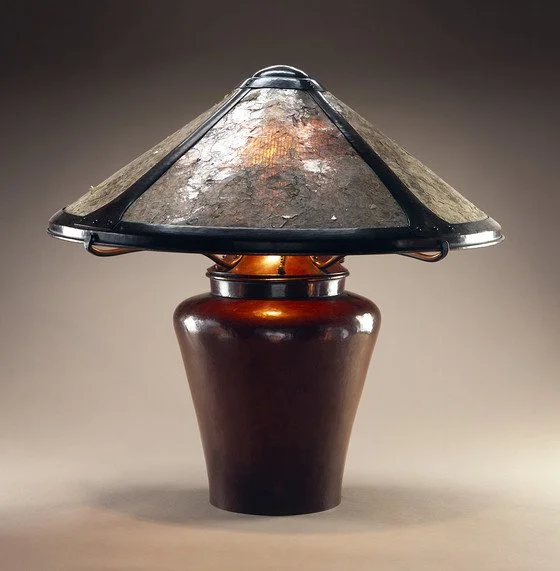
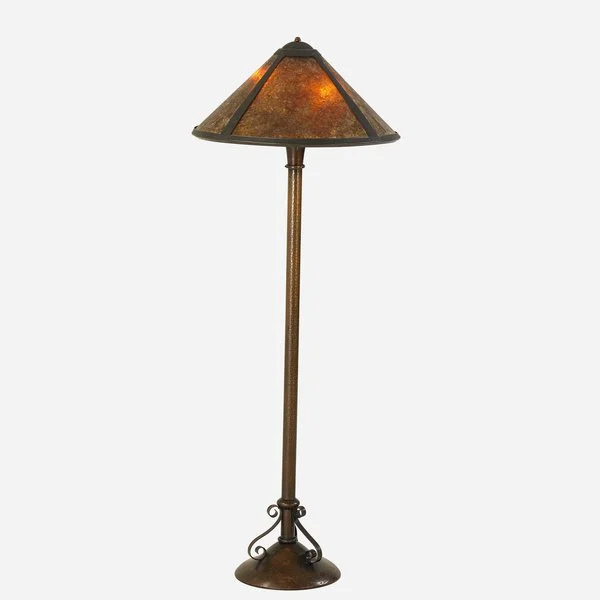
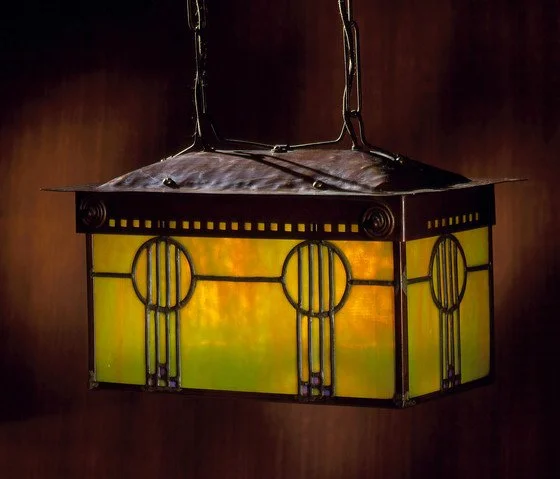
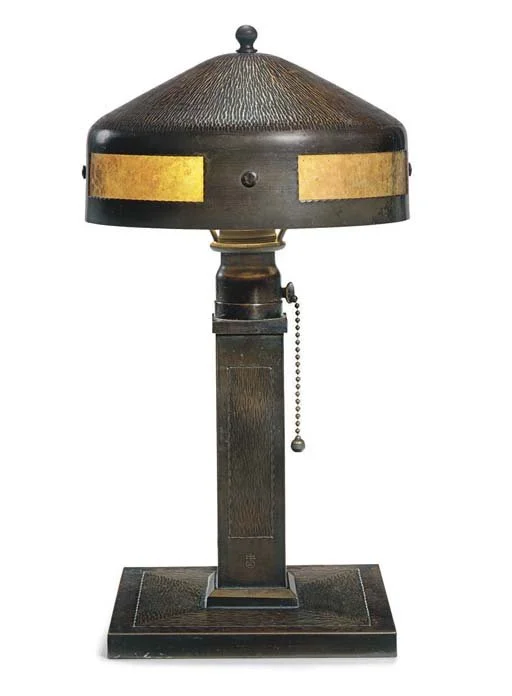
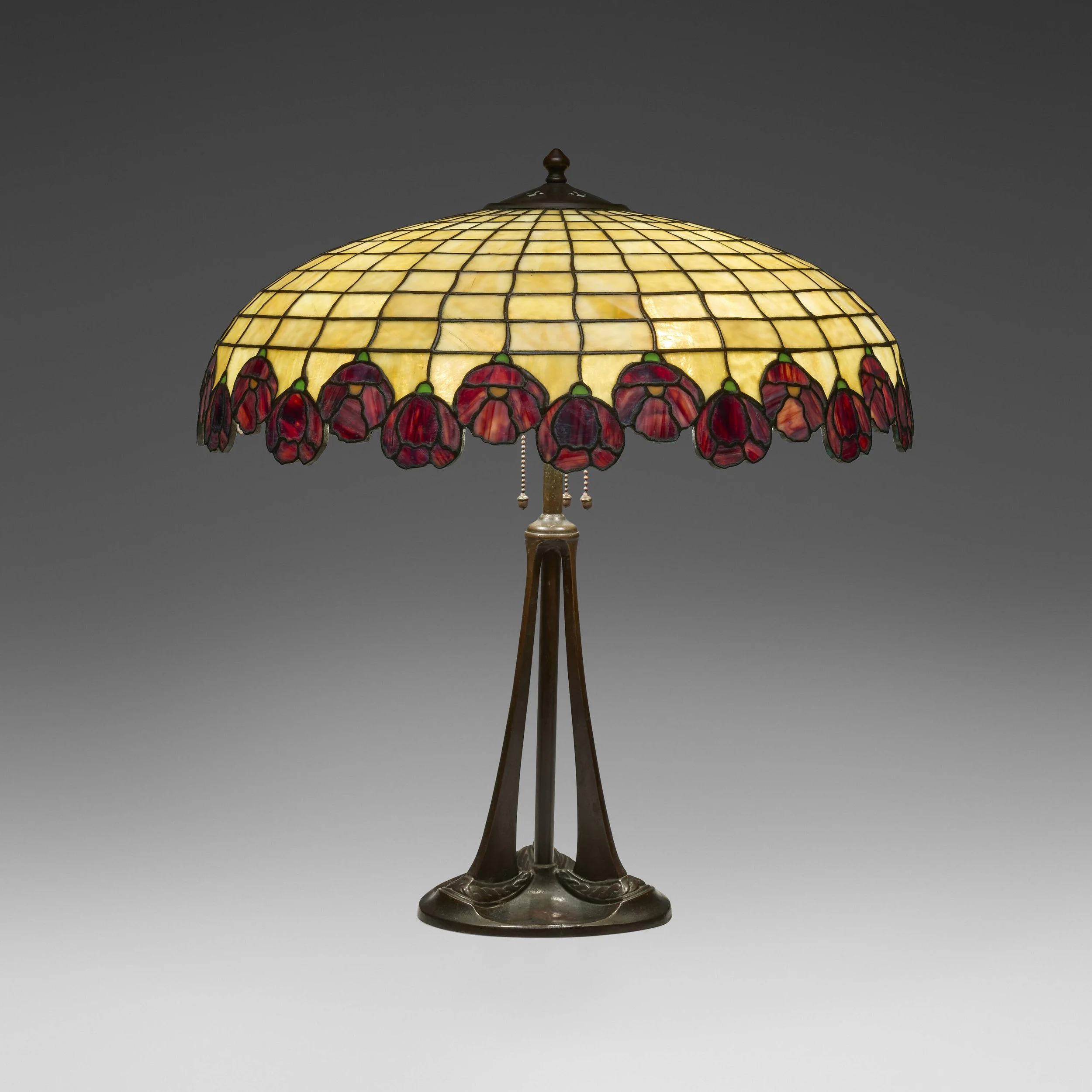
The warm glow of a colorful glass or mica shade defines the Arts & Crafts light fixture. Whether a Dirk van Erp table lamp or Tiffany Studios stained glass chandelier, stylized forms and a tie to nature are common themes in these lights.







Silver
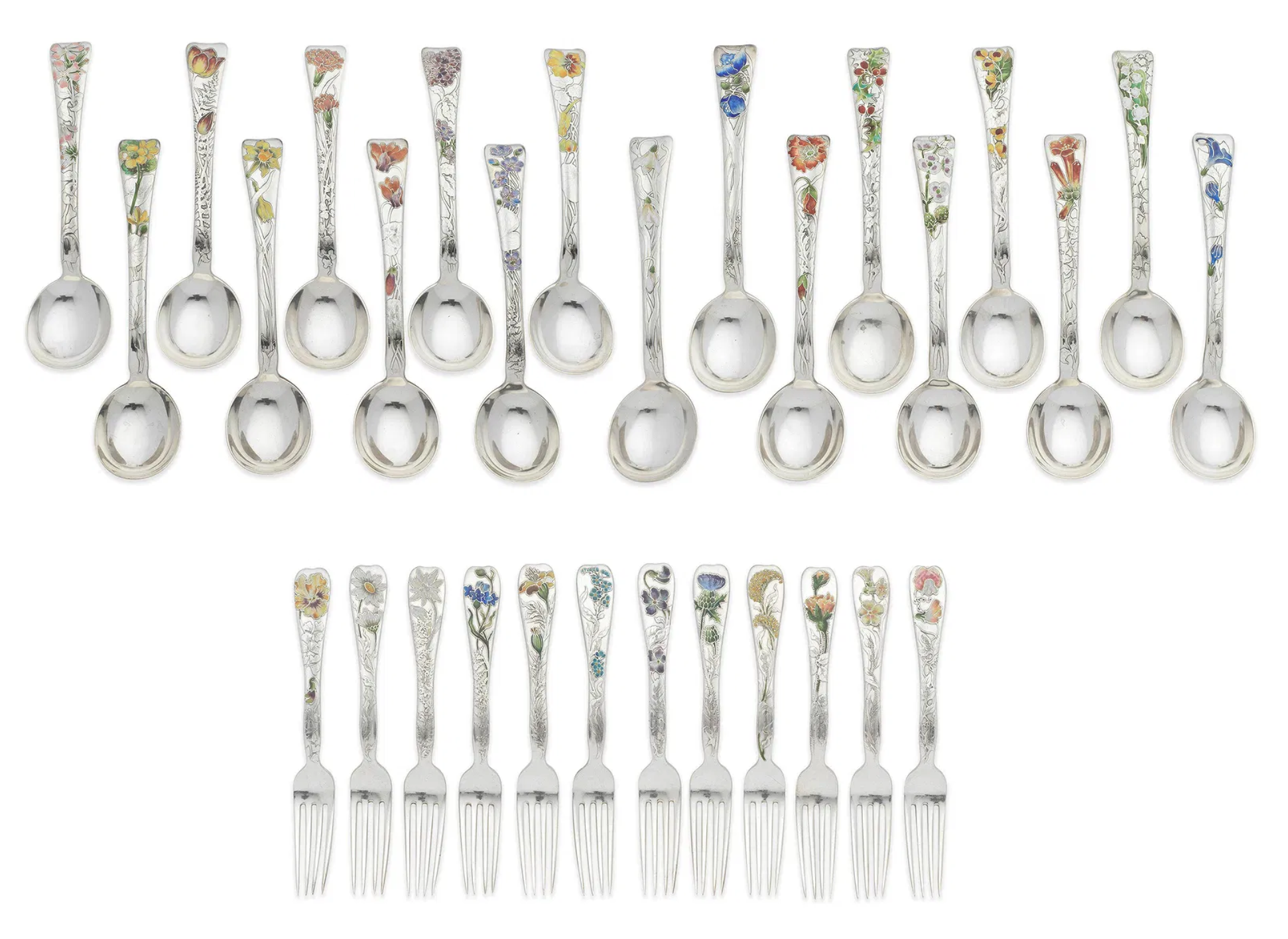
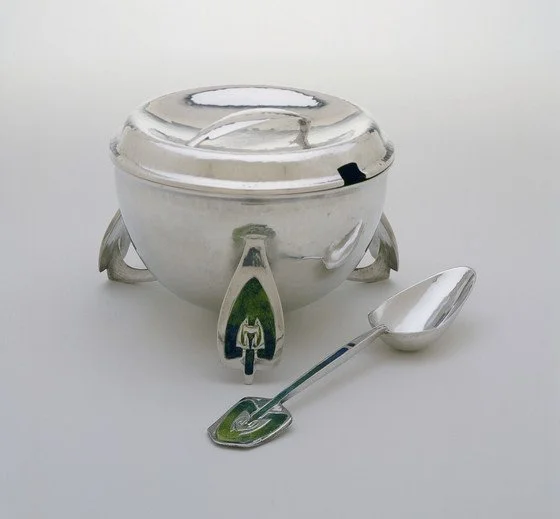
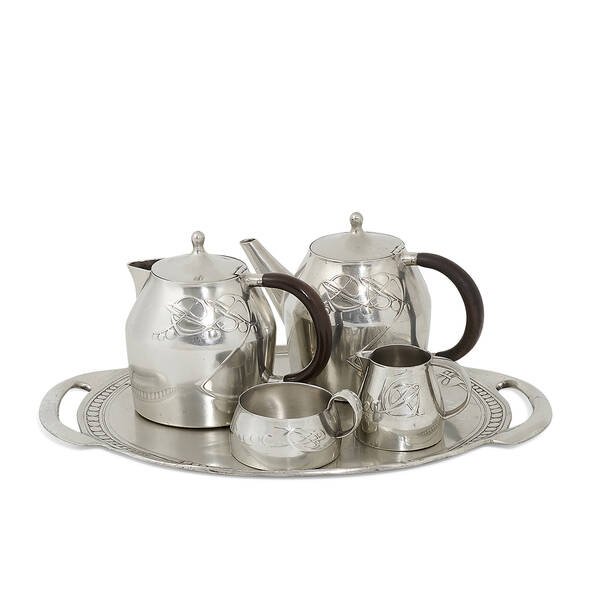
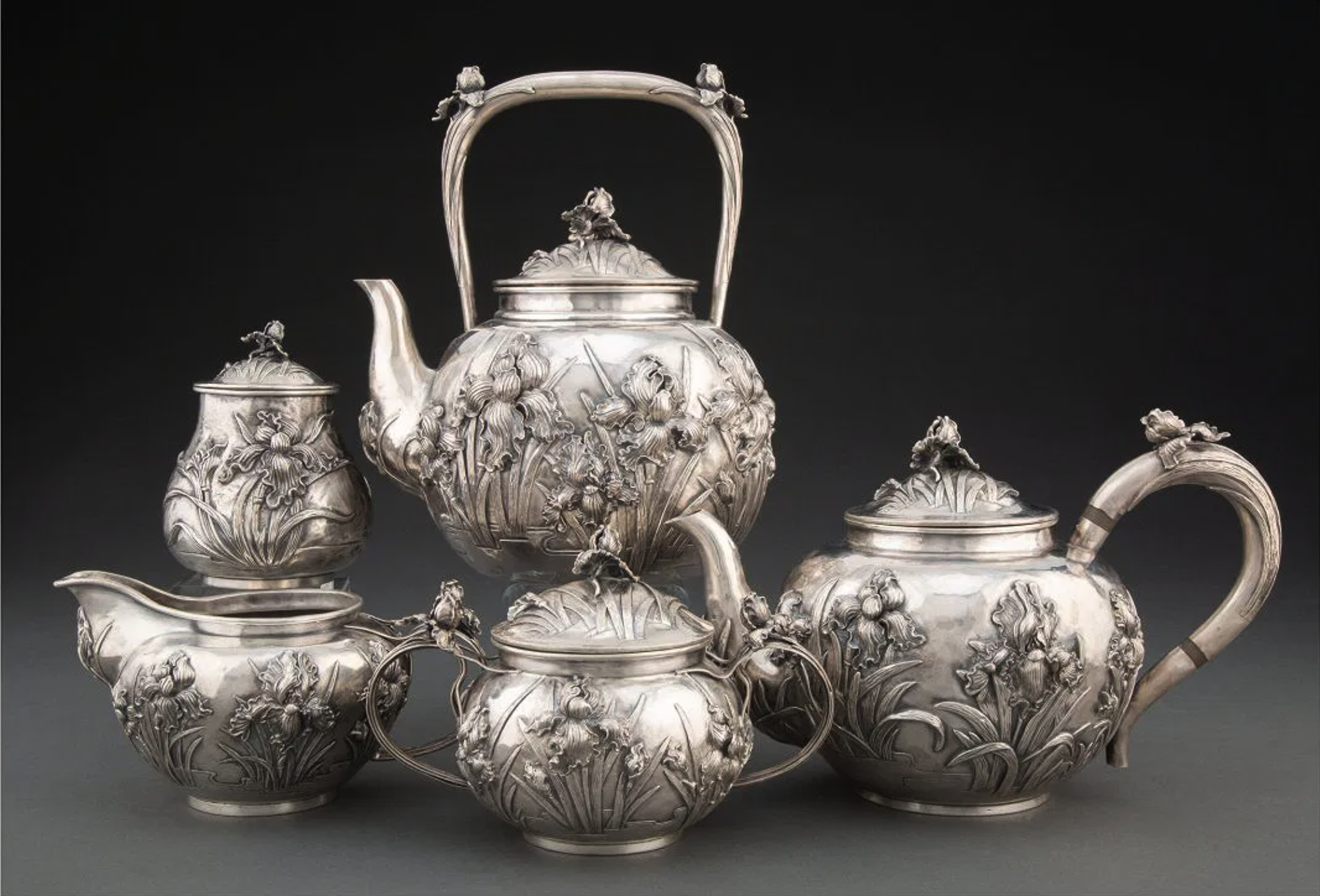
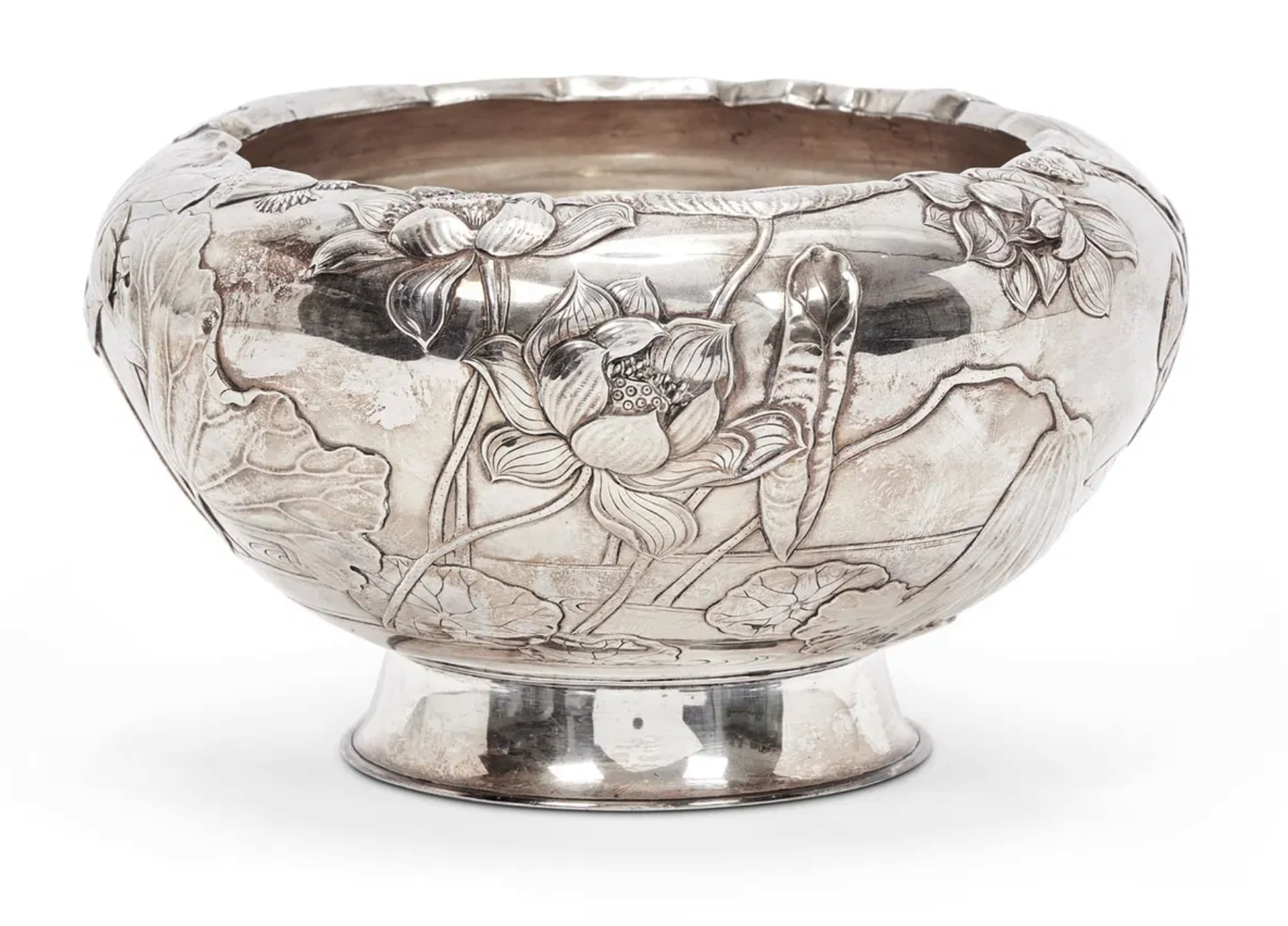
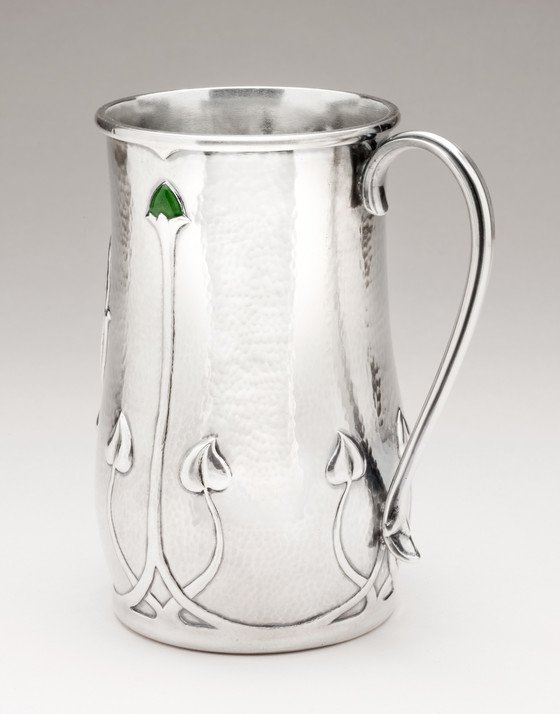
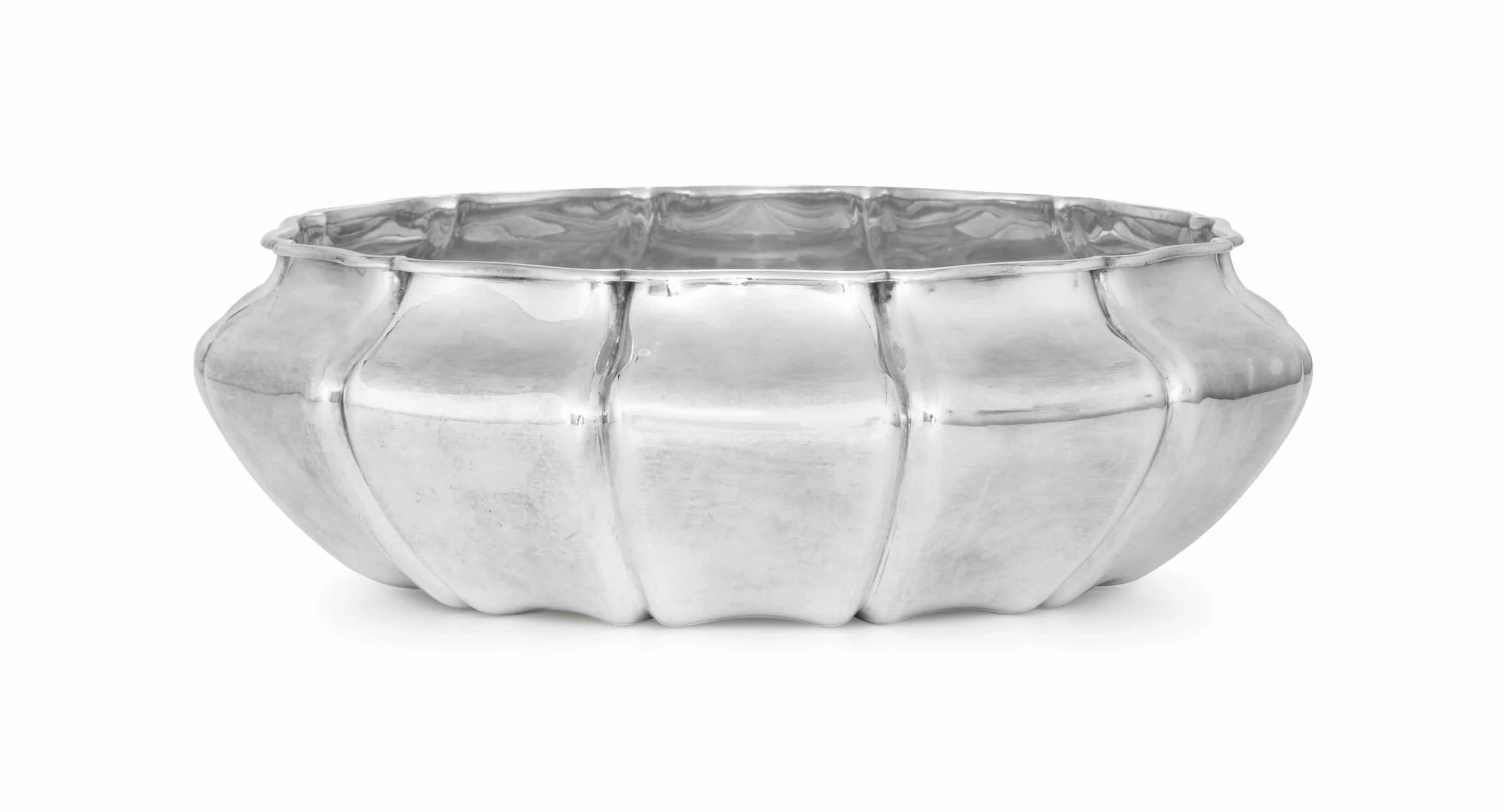
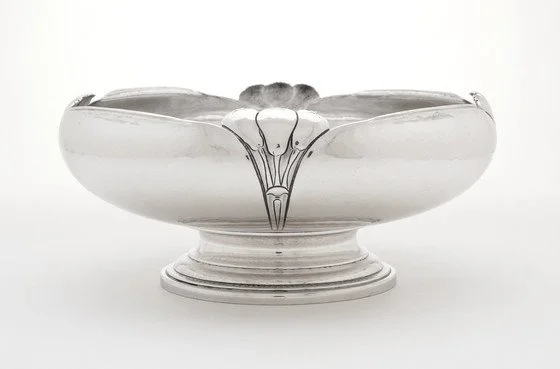
A nod to the simplicity and elegance of Japanese design is most acutely felt in Arts & Crafts silver. Here the silversmith employs hammered finishes and flowing lines to define the shapes of the vessels and uses less ornament than their Victorian counterparts.